-

The Chárváka System
Mādhavācārya’s 14th-century Sarva-Darśana-Saṃgraha opening chapter introduces the Chārvāka, or Lokāyata, school of Indian materialism. Translated by E.B. Cowell and A.E. Gough, the text establishes direct perception as the only valid knowledge source, rejecting karma, supernatural forces, and immortal souls. It maintains that consciousness arises from material elements and emphasizes earthly pleasure.
-
Bhagavad Gita and Anti-Corruption Movement – A Bunch of Thoughts
Kesahava Shet Revankar (Here is an interesting take on the on-going anti-corruption movement. The author, an octogenarian, was an officer with MIG Aircraft Division, HAL, Nasik, and now spends his time between Kundapur (Karnataka) and Dubai) This article is an attempt to show the parallel between Anna Hazare of Jan Lokpal Bill (JLP) and Krishna of Bhagavad Gita.…
-
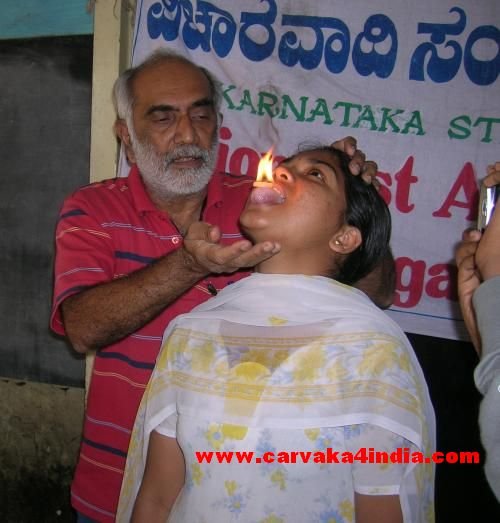
Science versus Miracles: Performing “Miracles” with Fire!
B Premanand Burning camphor on the hand and waving it in front of the idol, without apparent injury In 1977, a film artist of Kerala published an article challenging us to burn camphor on the hand and wave it before the idol in the temple. He said that his godman, Swami Satyananda Saraswathi, the International…
-
Babri Demolition to Anna Hazare – Changing Strategies of RSS Politics
Ram Puniyani This December, Babri demolition act completed its 19years. On the occasion many a Muslim groups demanded the reconstruction of the masjid. This demand is just but is mired in many a complex legalities and is trapped in the politics in which there are many diverse players. One again needs to clarify that Hindutva…
-
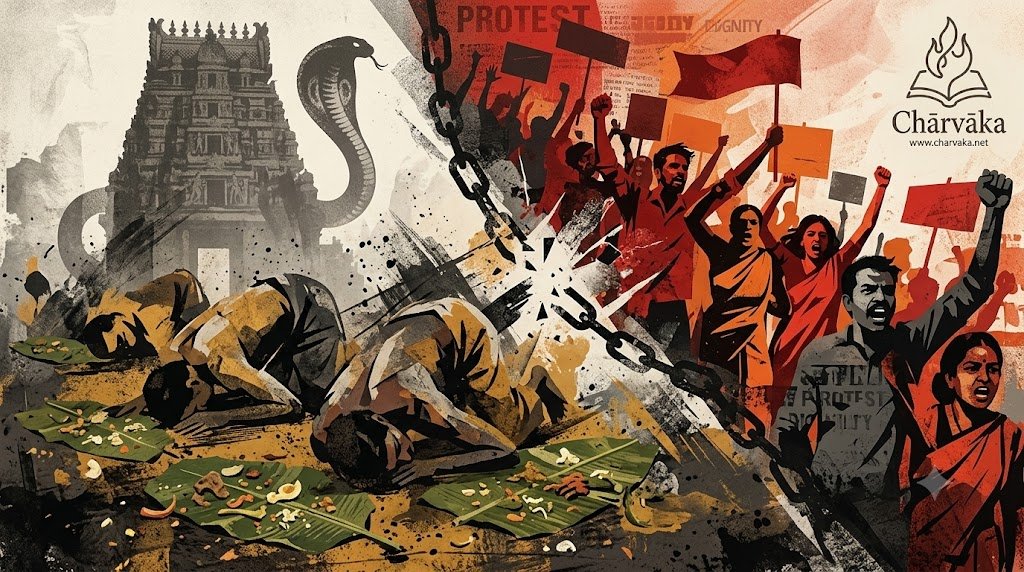
Made Snana:
Extraordinary Claims Need Extraordinary EvidenceExpose the harsh reality of Made Snana, a degrading ritual rooted in deep-seated caste discrimination and superstition. This critical analysis challenges pseudo-scientific defenses, unmasks political hypocrisy, and calls for rationalism, human dignity, and evidence-based science to eradicate primitive practices that exploit vulnerable communities in the name of tradition.
-
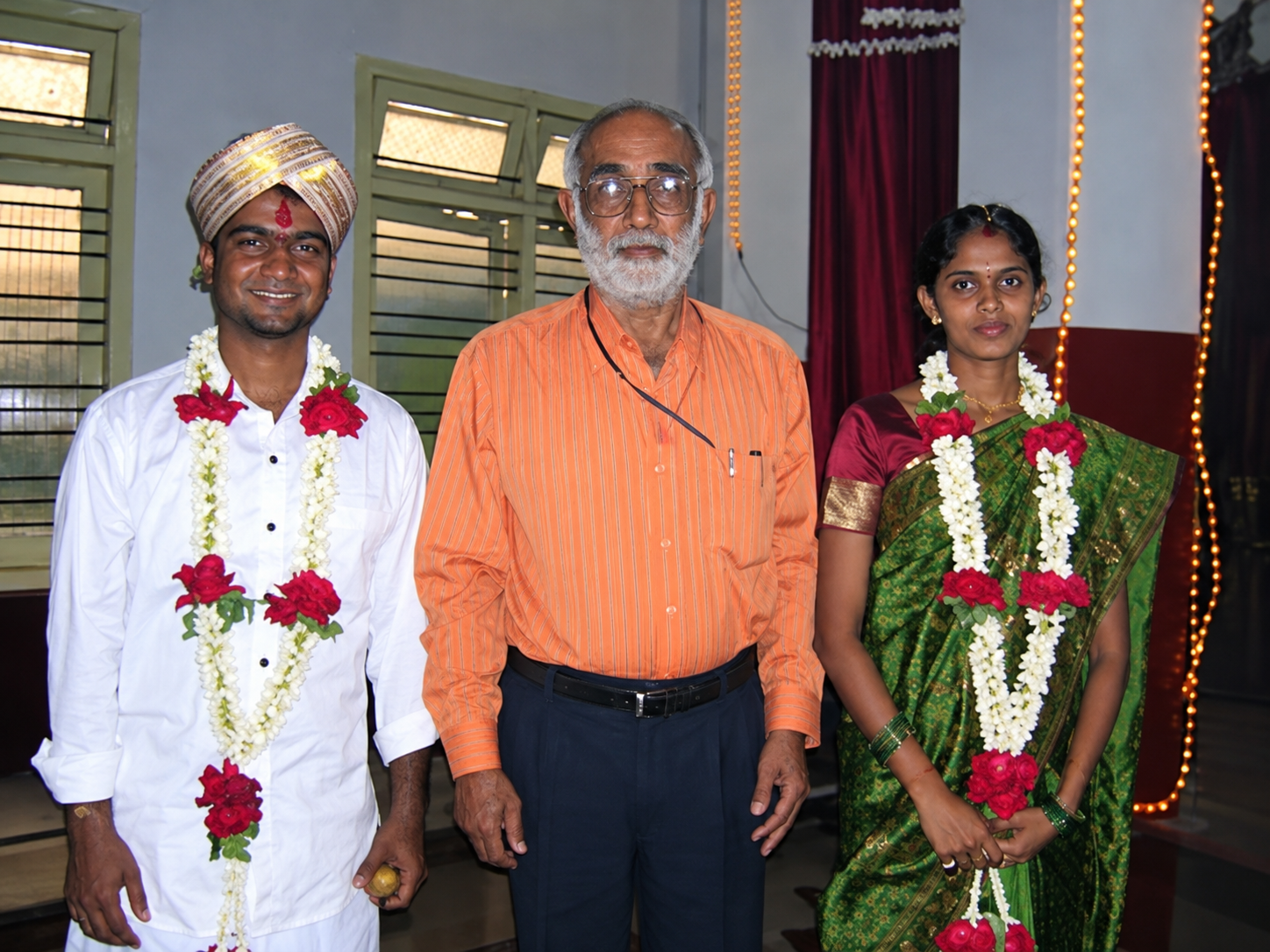
Deepti weds Sandesh
The union of Deepti and Sandesh triumphed over deep-rooted caste prejudice, intense family opposition, and threats from right-wing vigilantes. Since Karnataka does not recognize self-respect marriages for formal legal registration, this ceremony served as a necessary symbolic ritual—organized with rationalist support—to secure official protection and registration for the brave couple.
-
History of Indian Materialism
Discover the true history of Indian materialism beyond popular misconceptions. This paper traces the evolution of the Cārvāka/Lokāyata school, clarifying its authentic textual origins, core tenets, and distinct epistemological identity while dismantling long-standing myths about its philosophy. Ramkrishna Bhattacharya provides a definitive analysis of this crucial tradition in Indian thought.
-

Premanand Memorial Lecture
The 3rd Premanand Memorial Lecture, organized by Science Trust, Kozhikode, will take place on January 22, 2012, at Nalanda Auditorium. Renowned Malayalam writer Anand will deliver the keynote address titled “Ariyunna Kadhakalum Ariyaatha Kadhakalum” (Stories We Know and Stories We Know Not), exploring critical perspectives on truth, narrative, and scientific temper.
-
On Lokayata Philosophy
T. W. Rhys Davids analyzes the shifting historical meaning of Lokāyata from early Pāli Suttas to medieval Vedānta. Originally denoting respected Vedic nature-lore around 500 BCE, the term gradually degraded into “useless disputation” (vitaṇḍāvāda). Eventually, orthodox polemicists used it as a pejorative epithet for atheistic materialism, fictitiously fathering it upon Cārvāka.
-
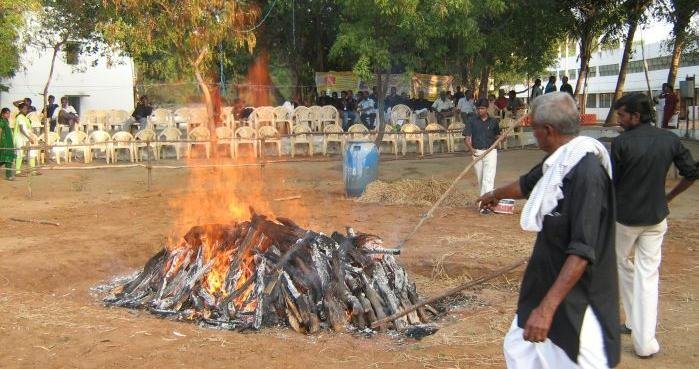
Fire Walking
B Premanand Walking on Red Hot Coals Does Not Prove Anyone’s Chastity Experiment – 17 Effect: Walking on red hot coals without the feet getting burnt Props: A pit one foot broad (minimum), eight feet long and three inches deep. At least 100 kg firewood, well dried and hard, kerosene, matches, metal leveler, two planks…
-
Lokayata
This historical survey traces the evolution of Cārvāka materialism and Lokāyata thought across ancient Sanskrit, Buddhist, and Jaina literature. It examines key heretical figures, textual references, radical critiques of orthodoxy, and connections to the Bṛhaspati Sūtra and Kapālika traditions, uncovering the enduring influence of Indian materialist philosophy on economics and erotics.
-
Premanand Memorial Award
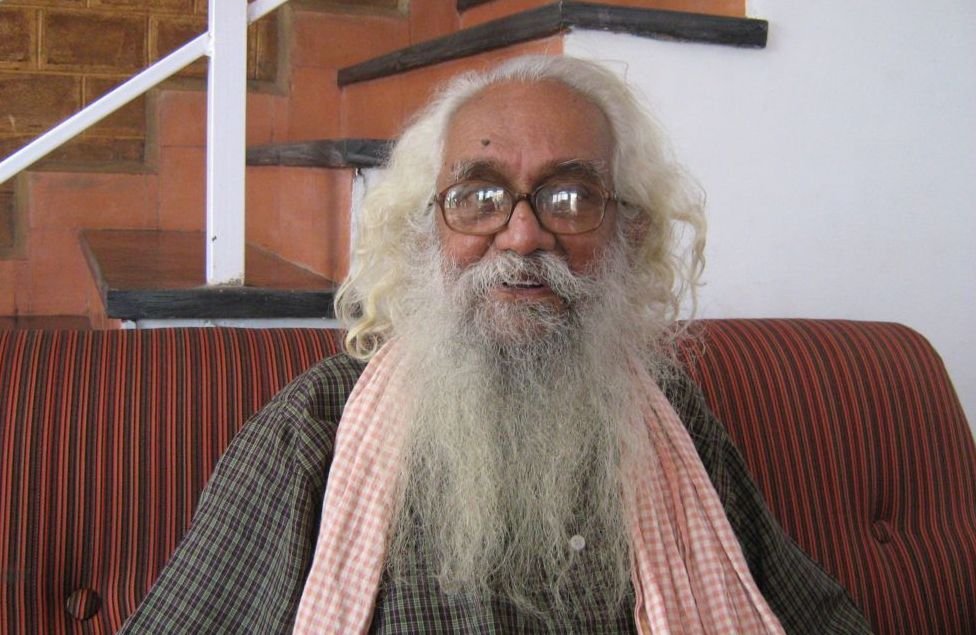
Federation of Indian Rationalist Associations (FIRA), an apex body of more than 75 rationalist, skeptic, secularist organizations in India, has instituted an award in memory of its founder-convener, B Premanand. This award will be given to people who have given valuable contribution towards secularism, scientific temper, skepticism, rational inquiry etc in India. For this year’s…
-

Superstitions and Human Rights
Broadcast on All India Radio, this insightful talk by Prof. Narendra Nayak examines how superstitious beliefs and religious dogmas systematically infringe upon fundamental human rights. Covering issues from caste discrimination to gender inequality and mental health abuses, the article underscores why rational thinking and secular law must prevail over outdated traditions.
-
The Fraud of Makara Jyothi and another Sabarimala Season!
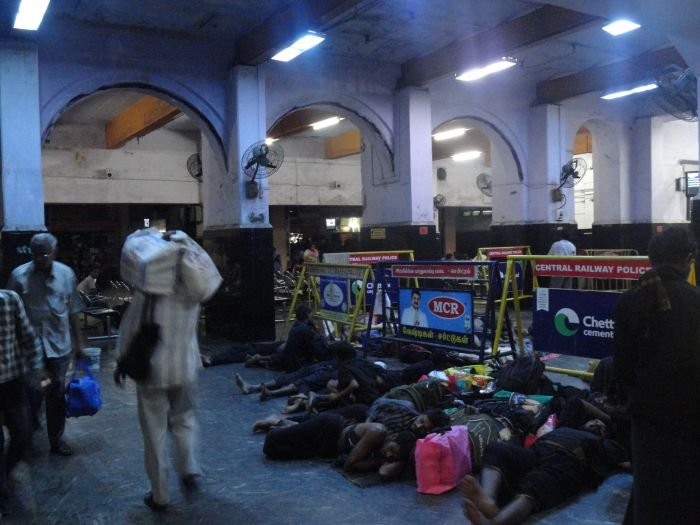
<!– /* Style Definitions */ p.MsoNormal, li.MsoNormal, div.MsoNormal {mso-style-parent:""; margin:0in; margin-bottom:.0001pt; mso-pagination:widow-orphan; font-size:12.0pt; font-family:"Times New Roman"; mso-fareast-font-family:"Times New Roman";} @page Section1 {size:8.5in 11.0in; margin:1.0in 1.25in 1.0in 1.25in; mso-header-margin:.5in; mso-footer-margin:.5in; mso-paper-source:0;} div.Section1 {page:Section1;} Manoj Another Sabarimala season is here! It will last for a couple months – until the 14th of January 2012, when the Sabarimala…
-
Federation of Indian Rationalist Associations (FIRA) – 8th National Conference
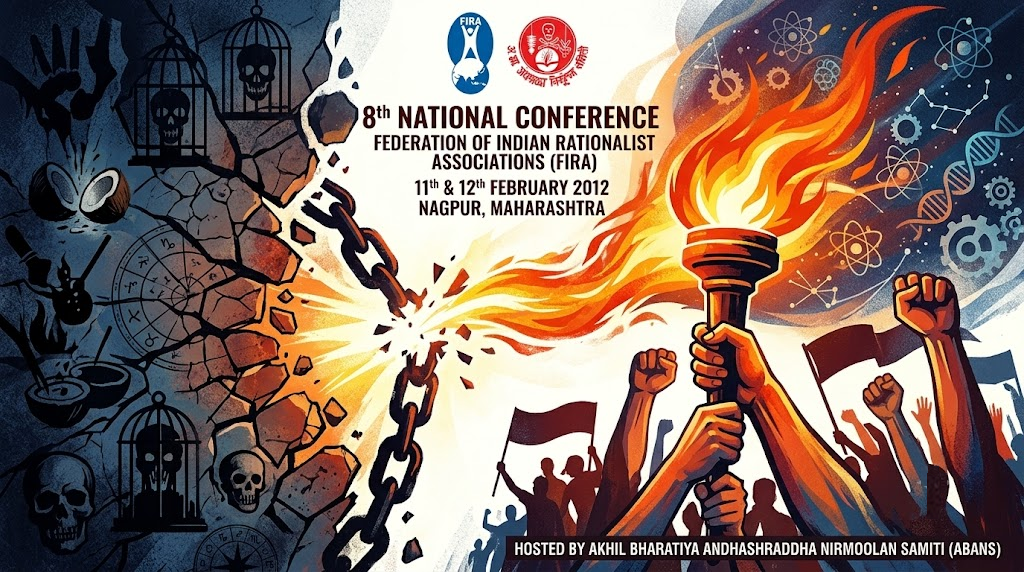
The 8th National Conference of the Federation of Indian Rationalist Associations (FIRA) will be held at Nagpur, Maharashtra, on 11th and 12th February 2012. FIRA, an apex body of more than 75 rationalist, atheist, skeptic, secularist, and science organizations in India, is committed to the development of scientific temper and humanism in India. The Federation…
-
Behenji: The Pragmatist Politician
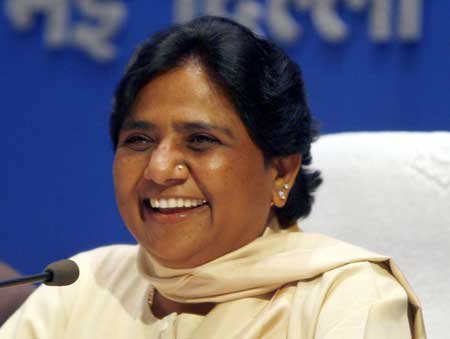
Ram Puniyani With elections looming over Uttar Pradesh horizon, recently (Nov 2011) UP Chief Minister Mayawati declared that her cabinet has approved the proposal to divide the UP state into four smaller states. She declared that only a dalit-OBC Chief Minister should be able to solve the problems of dalit-OBCs. There is also the talk…
-
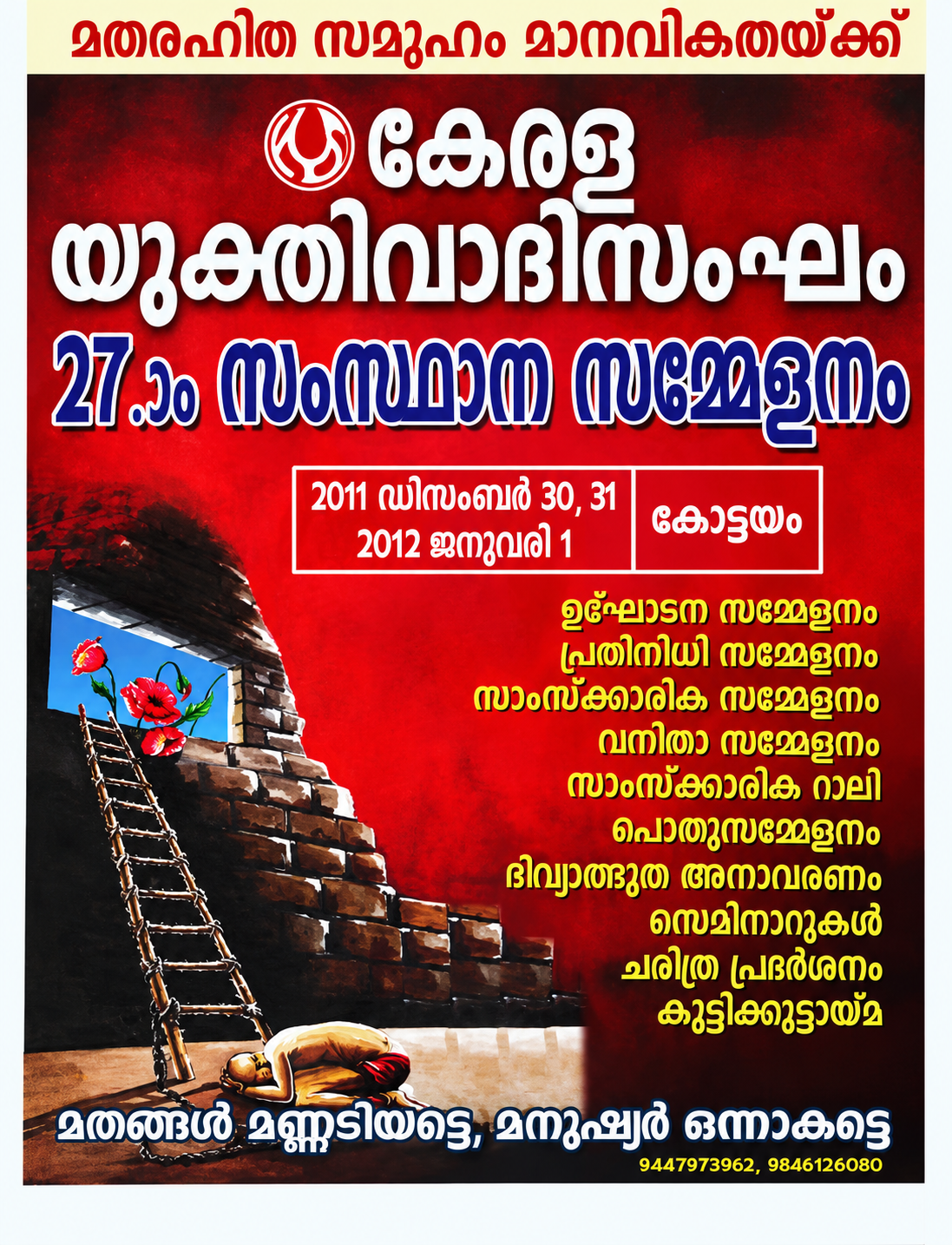
Kerala Yukthivadi Sangham – 27th State Conference
Marking the 45th anniversary of its founding, the Kerala Yukthivadi Sangham (Kerala Rationalist Association) will hold its 27th State Conference from December 30, 2011, to January 1, 2012, in Kottayam, Kerala. The association originated from a rationalist group established in 1935 under the leadership of Panampally Govinda Menon and M.C. Joseph, who published the journal…
-
Reasoners and Religious Law-makers: An Ancient Indian Case Study
Ramkrishna Bhattacharya examines how orthodox Indian Dharmaśāstras systematically vilified rationalist freethinkers. Terms like haituka—originally meaning reasoner—were conflated with nāstika to brand dissenters as heretics. Despite severe scriptural condemnation and social stigmatization in epics like the Rāmāyaṇa and Mahābhārata, rationalist inquiry persisted through Cārvāka and Lokāyata traditions.
-
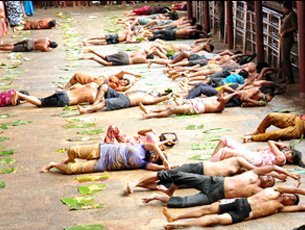
Leftovers of Brahmanism
Here is report on a disgusting annual ritual practised at Kukke Subrahmanya, a prominent temple in Karnataka. This temple, located in one of the most forward districts in Karnataka and patronized by such luminaries from the Indian sports and the cine world as Sunil Gavaskar, Sachin Tendulkar, Aishwarya Rai, and Shilpa Shetty, attracts lakhs of devotees…
-
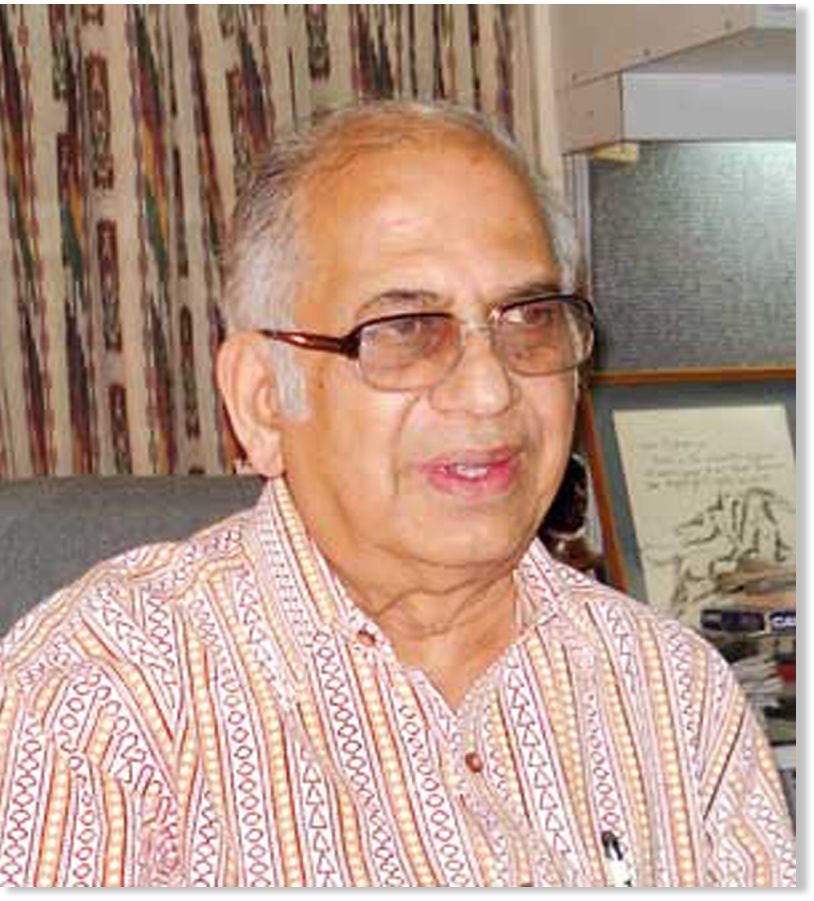
Preface to “Science versus Miracles”
Pushpa M Bhargava The following is the Preface written by Dr PM Bhargava to the book “Science versus Miracles” of Premanand. We reproduce it as part of our effort to upload the entire book online in html format. We have already uploaded a few chapters of the book. The remaining chapters will be uploaded in…
-
Syncretism in the Caraka and Suśruta saṃhitās
This paper investigates syncretism in the medical compendia Carakasaṃhitā and Suśrutasaṃhitā regarding the first cause of human existence, health, and disease. It contrasts ancient scholiasts’ interpretations of doctrines like svabhāva (inherent nature) and kāla (time), demonstrating how early non-medical philosophical traditions evolved into medical naturalism.
-
Is there a Life after Death?
Innaiah Narisetti The majority of people believe in an after-life. If there is something after death, what is it? After death, the body is buried by some, cremated by some others, donated to hospitals by a few. These practices are common. When a person dies, along with other parts of the body, the brain also dies. That…
-
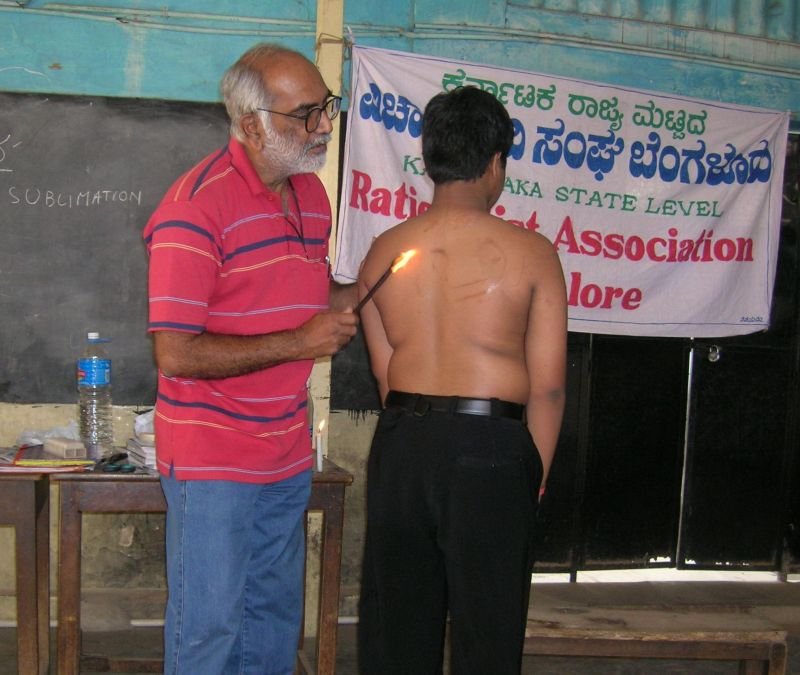
The Early Miracles
B Premanand The early miracles were performed by shamans acting as oracles. Through incantations they brought the spirit of god on themselves, swaying and dancing, and making fearful sounds to prove to their followers that punishment meted out by the clan leader of the rulers could not harm them. Among self-inflicted punishments were ship lashes,…
-
Hazards of a Spiritual Pilgrimage
Apollo Hospitals opens critical care unit with ICU facility at Sabarimala (The Hindu, Madurai, November 16, 2011) The Apollo Hospitals has set up a full-fledged critical care unit with ICU facility at Sabarimala for the healthcare needs of devotees going to Lord Iyappa temple. The seven-bedded centre at Pamba was established based on the request…