-
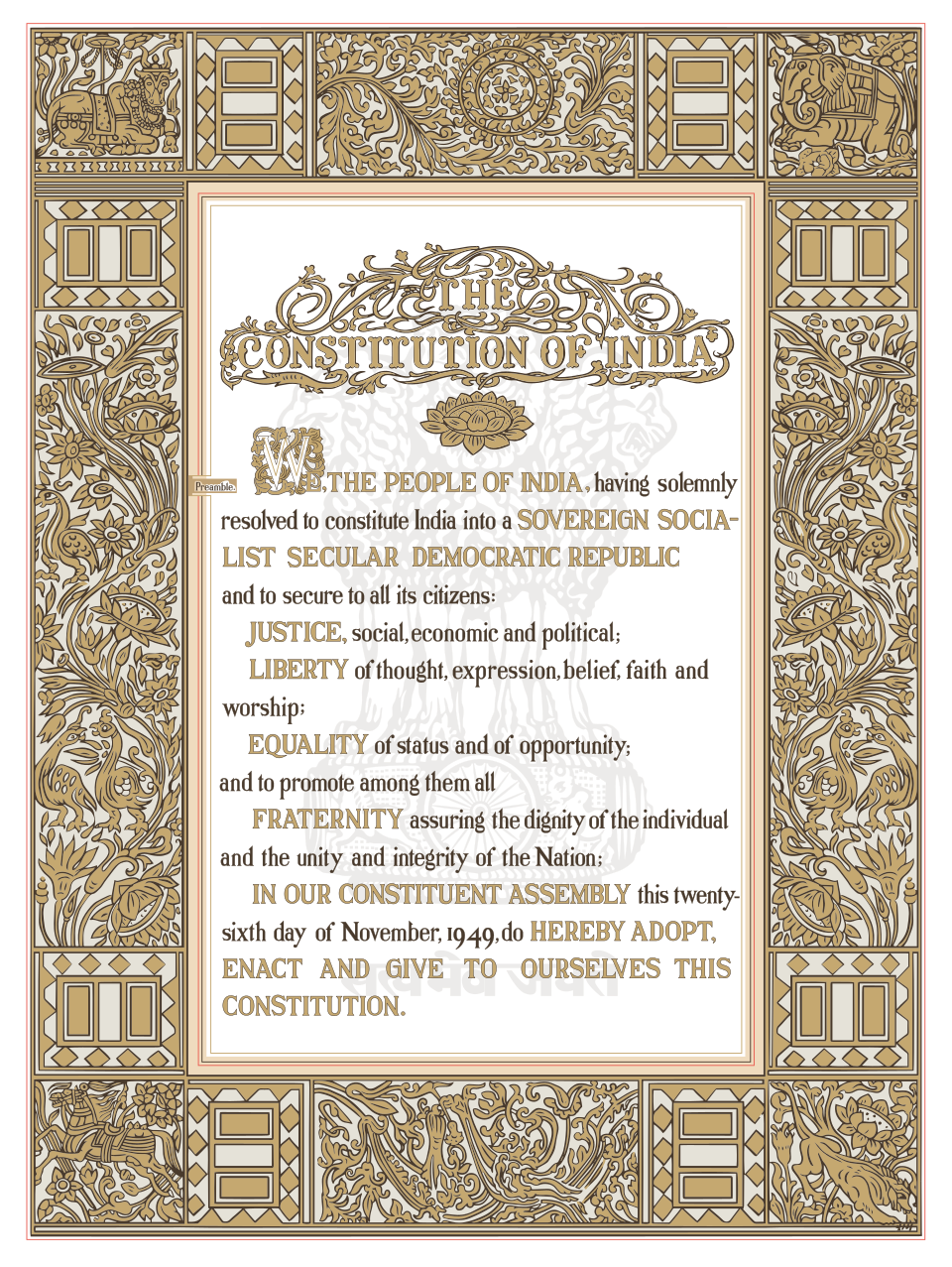
Re-Debating Secularism
A Secularist Responds to Minister Rajnath SinghIn this response to Home Minister Rajnath Singh, Ram Puniyani defends secularism against claims that it is an ill-fitting Western import. Examining constitutional history, sociological reality, and Hindu nationalism, Puniyani argues that preserving secular values remains vital for safeguarding Indian democracy, protecting minority rights, and maintaining pluralism against growing political distortions.
-

Epistemological Parallels :
Cārvāka and David HumeComparing David Hume and Cārvāka, Bina Gupta examines skepticism across Eastern and Western philosophy. The essay explores how both traditions treat perception as fundamental, rejecting dogmatic metaphysics and necessary causal connections. However, Gupta highlights key differences: Cārvāka adopts radical materialism, whereas Hume’s epistemological framework leads to a more nuanced, mitigated skepticism.
-
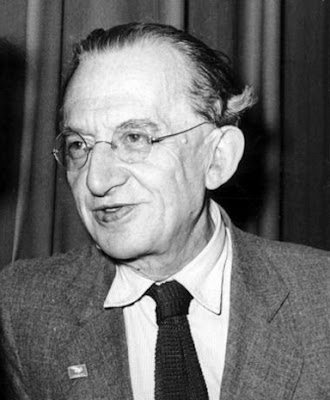
György Lukács
Philosophy, Aesthetics, and Western MarxismIn this featured video lecture, Dr. Ramkrishna Bhattacharya explores the legacy of György Lukács, a seminal Hungarian thinker and founder of Western Marxism. Bhattacharya analyzes Lukács’s groundbreaking contributions to aesthetics, philosophy, reification theory, and Leninism, providing crucial context for understanding his departure from Soviet ideological orthodoxy.
-
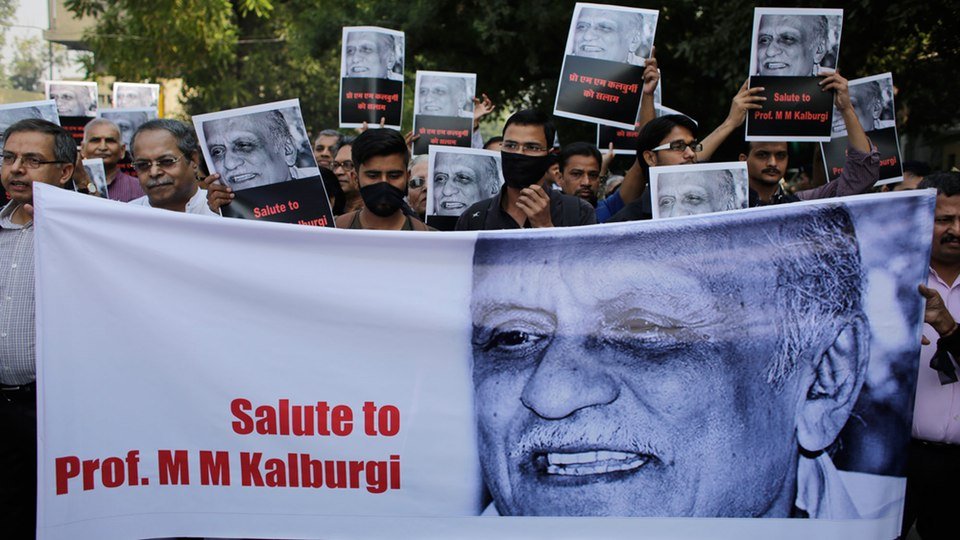
Returning Honors is an Attempt to Save Democracy
The flood of artists, scientists, and writers returning state honors represents a critical stand against growing intolerance in India. Rejecting claims of a “manufactured rebellion,” Ram Puniyani highlights how this collective protest exposes rising communal violence, institutional subversion, and an urgent need to protect the nation’s democratic and pluralistic fabric.
-
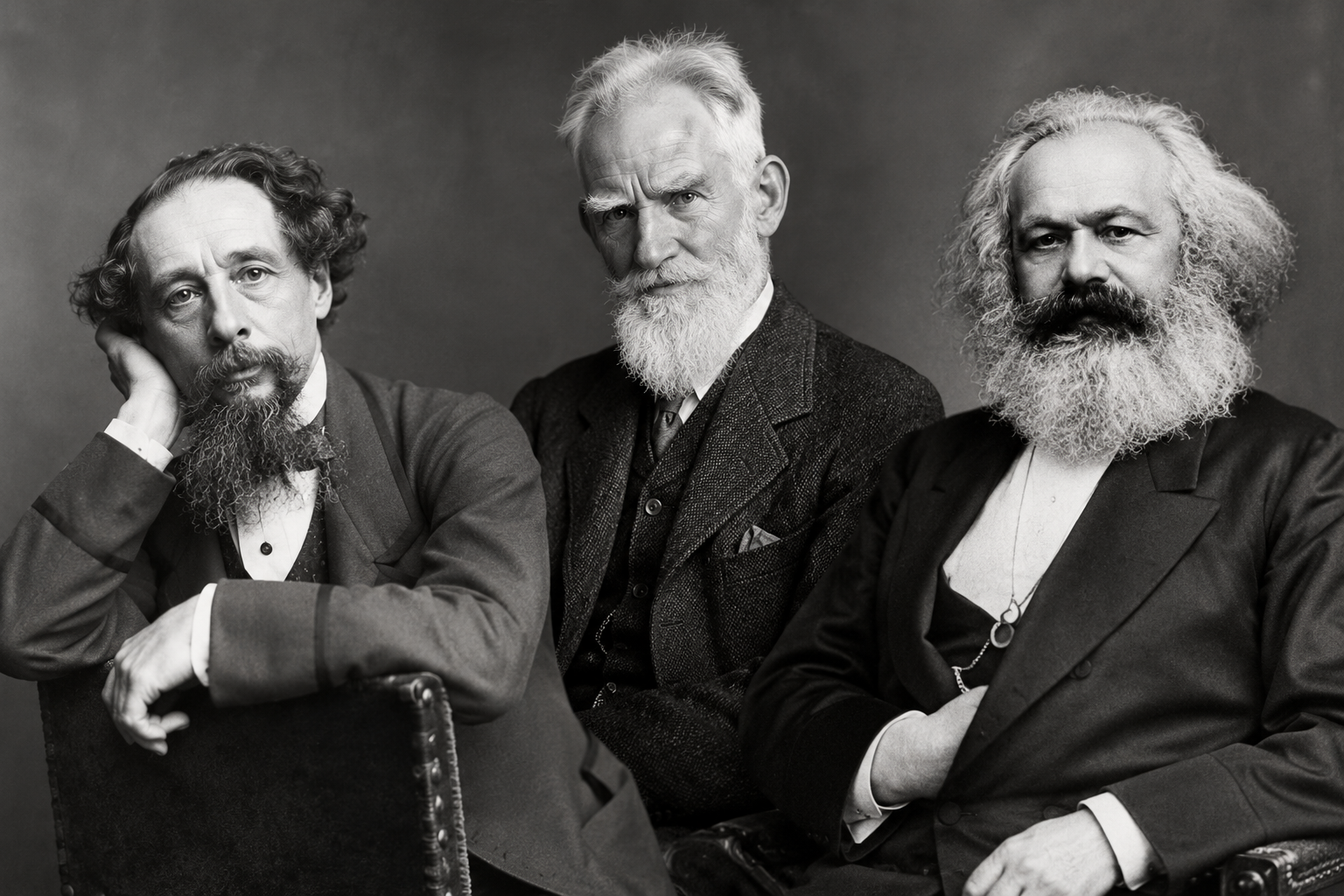
Dickens, Shaw and Marx: Contrasting Approaches
Comparing two distinct radical responses to Charles Dickens, Ramkrishna Bhattacharya explores how George Bernard Shaw and Karl Marx evaluated the Victorian novelist. While Shaw criticized Dickens’s lack of formal philosophy yet celebrated his revolutionary potential, Marx bypassed literary ideology entirely, delighting instead in using Dickens’s vivid characters as sociological tropes for political satire.
-
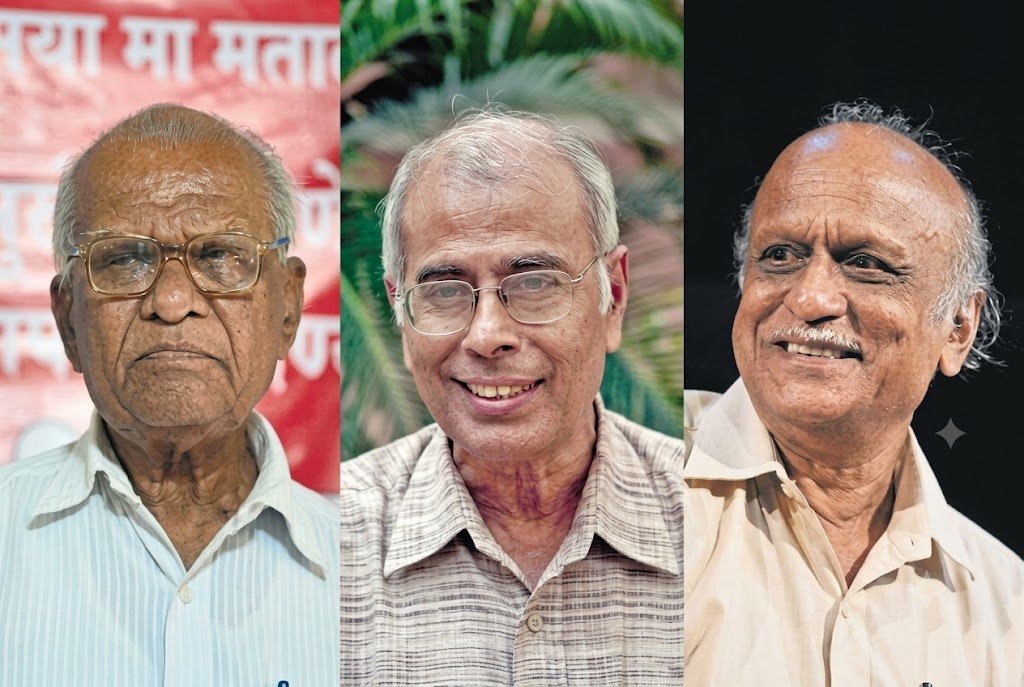
Three Murders and a Lynching
Prompted by the assassinations of rationalists and the Dadri lynching, Ram Puniyani analyzes the wave of intellectuals returning state awards. Puniyani argues that this collective protest marks a qualitative shift in India’s social atmosphere, exposing how systematic hostility and political polarization threaten the foundational, pluralistic values of the Indian Constitution.
-
The Cārvākas against Caste and Gender Discrimination
Before modern egalitarianism challenged traditional hierarchies, ancient India’s materialist heretics dismantled the sacred pillars of social division. Rejecting divine birthrights, textual dogma, and patriarchal subjection, the Cārvākas insisted that physical reality binds all humanity equally—forging a surprisingly radical, democratic social vision that scandalized the orthodox defenders of the status quo.
-
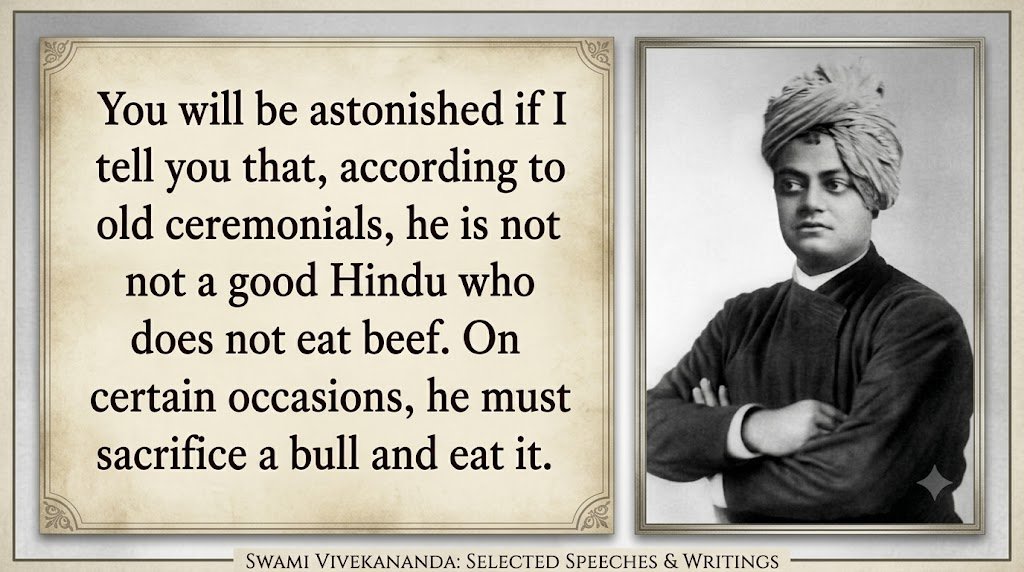
Worshipping Cow: Killing Humanity
Lynchings and state bans over beef consumption signal a alarming shift where animal veneration overrides human lives. Examining history from Vedic traditions to Ambedkar and Vivekananda, Ram Puniyani exposes how cow protection has been weaponized as a tool for religious polarization, arguing that true communal harmony requires respecting individual freedom and diversity.
-
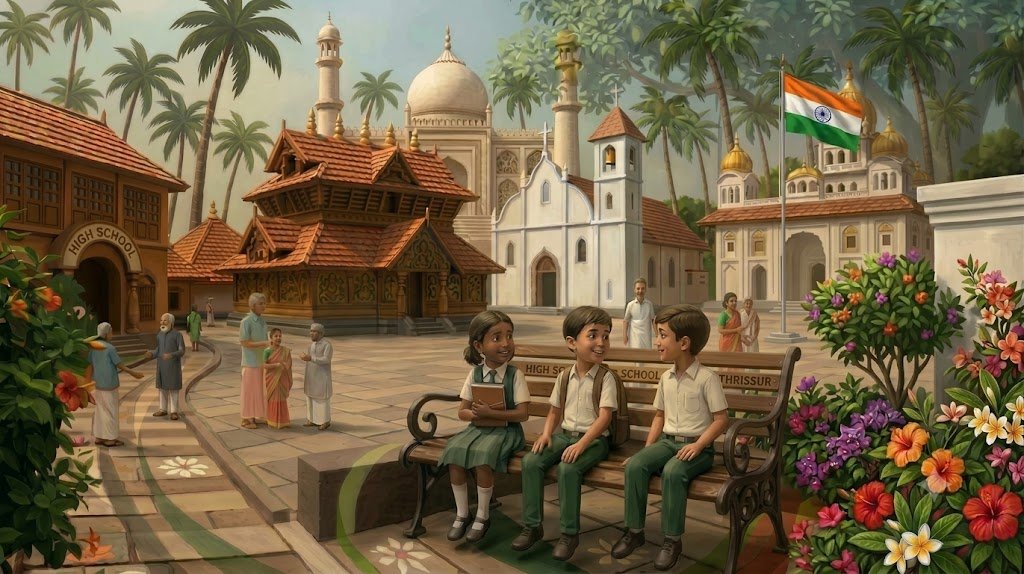
Assault on Syncretic Traditions
Targeting literary scholars, rationalists, and artists marks a dangerous shift toward destroying India’s rich syncretic heritage. From silencing columnists to hounding cultural icons, sectarian politics seeks to erase centuries of shared Hindu-Muslim traditions. Ram Puniyani highlights the urgent need to defend India’s deep-rooted cultural and literary pluralism against rising intolerance.
-
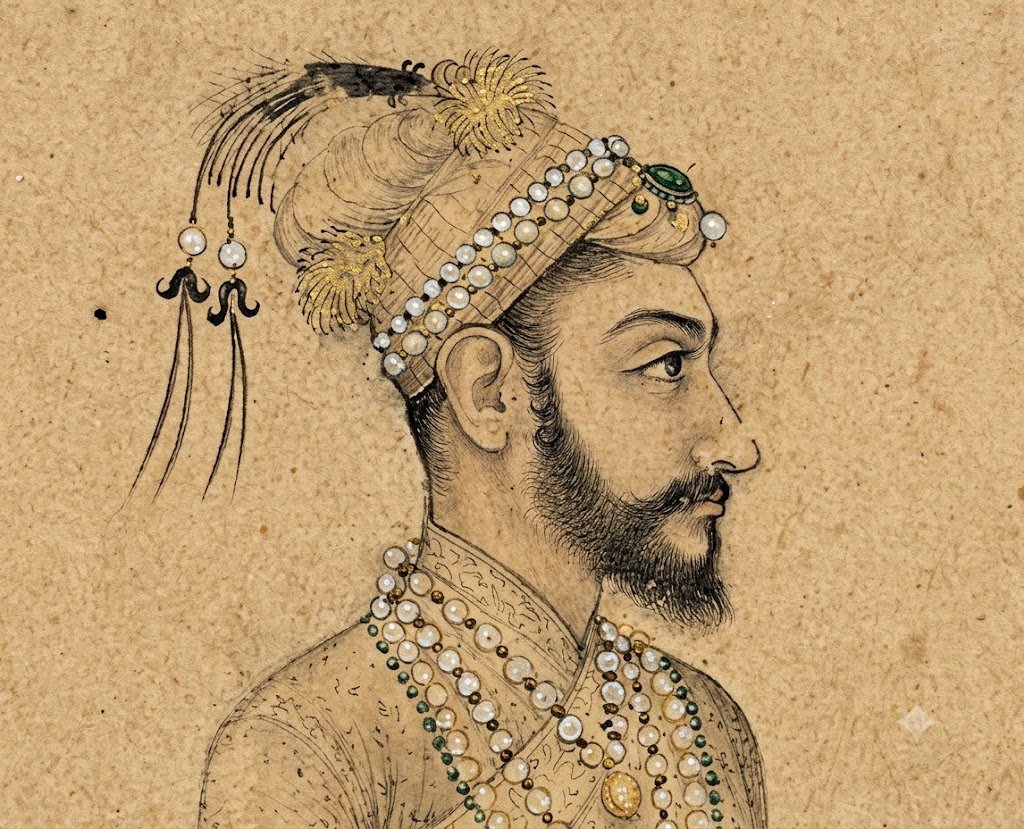
Looking at the Past: Jaundiced Views
Communal forces heavily rely on distorted, jaundiced histories to spread hatred against other communities. This animosity stems from British colonial legacies and modern communalists who selectively manipulate and misrepresent historical incidents to fit their divisive agendas.
-
Facets of Materialism in India: A Historical Outline
Tracing ancient India’s materialist tradition from the times of the Buddha to the 12th century CE, Ramkrishna Bhattacharya uncovers how the Cārvāka/Lokāyata system boldly rejected the Vedas, afterlife, and divine authority. Despite centuries of distortion by orthodox opponents, surviving fragments reveal a radical philosophy that championed gender equality and opposed caste discrimination.
-
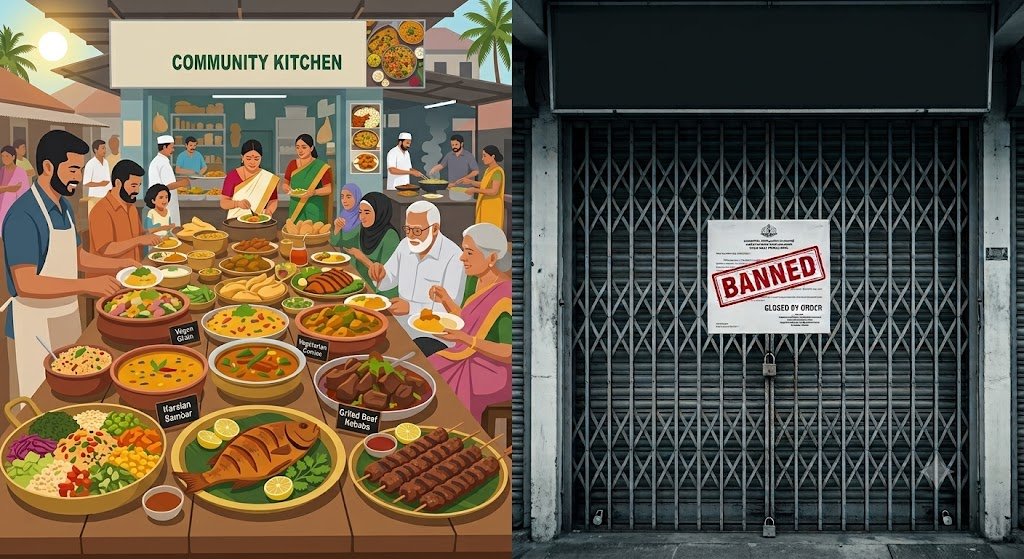
Controlling Thought and Food Habits
Examining the rise of food bans, sedition orders, and political intolerance, Ram Puniyani highlights how sectarian agendas infringe upon basic democratic freedoms in India. Drawing upon Gandhian ideals and historical pluralism, this essay critiques state-imposed food fundamentalism and advocates for individual liberty, mutual respect, and the preservation of our rich cultural diversity.
-
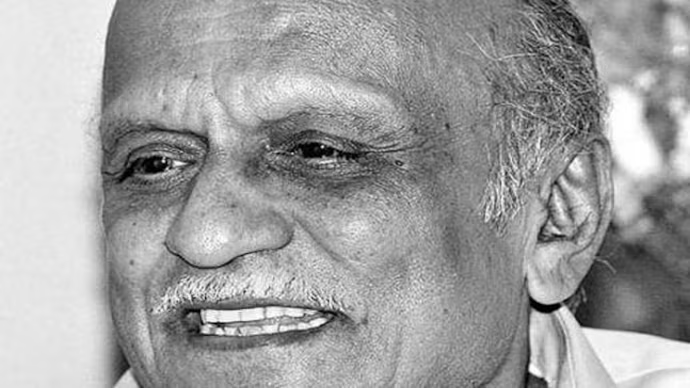
Killing a Rationalist: Silencing Reason
Examining the tragic assassination of M.M. Kalburgi alongside Narendra Dabholkar and Govind Pansare, Ram Puniyani critiques the violent suppression of rational thought in India. Linking historical resistance—from Cārvāka to the Bhakti movement—to modern anti-superstition campaigns, this essay exposes the rising tide of religious intolerance while affirming hope through collective democratic resistance.
-
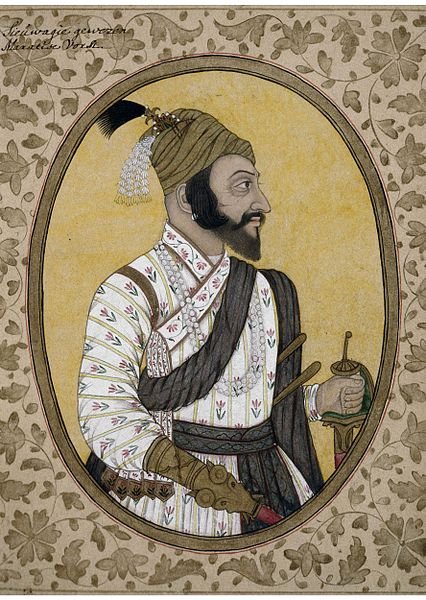
Chatrapati Shivaji Maharaj: To Each Ones’ Own!
Ram Puniyani Some concerned citizens have filed a Public Interest Litigation (August 17 2015) to stop the highest award of Maharashtra Government, Maharashtra Bhushan to Babasaheb Purandare. Purandare is known for his work ‘Raja Shivaji Chatrapati’ and the play ‘Jaanata Raja’ (wise king) his is not the first time that such a controversy around Purandare…
-
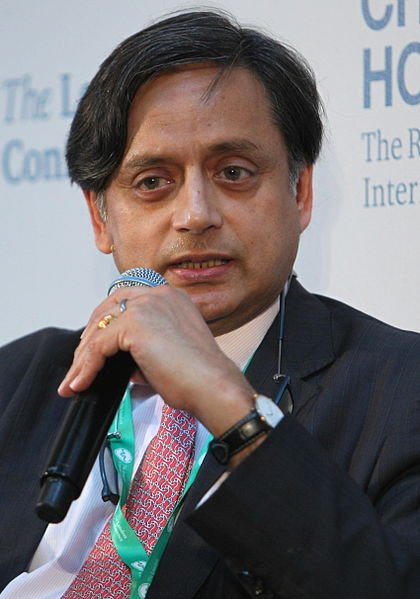
What did Colonialism do to India?
Ram Puniyani A video of Shashi Tharoor speaking at Oxford on a debate related to the colonial period has been ‘viral’ on the social circuit for a while. In this video Tharoor makes a passionate plea to the British that they make reparations for the losses to Indian economy during the British rule. He puts…
-
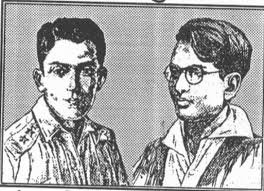
Saluting Courage: Memorial for Vasant Rajab
Ram Puniyani Gujarat violence (2002) was horrific. In this, after the burning of train in Godhra in which 58 innocents died, the same tragedy was made the pretext to launch the massive violence in which over one thousand people perished. In the aftermath of that I got many occasions to visit different parts of Gujarat…
-
The State Must Not Organise Religious Festivals
Ram Puniyani After staging the Yoga spectacle on 21st June 2015 on Rajpath, Delhi, the Modi government now plans to celebrate Rakhi, Raksha Bandhan on a grand scale in late August. This plan has full approval of its parent organization, the RSS. Now a Hindu religious festival will be given the status of a national…
-

Islamist Terrorism: The Underlying Politics
Ram Puniyani The World at large has suffered massive inhuman acts of violence, terrorism in the name of Islam. There are many glaring insane, cruel acts which cannot be forgotten and condoned in any way. Be it the killing of nearly three thousand innocent people in the attack of 9/11 (which was upheld by Osama…
-
One Year of Modi Sarkar: Hate Speech Galore
Ram Puniyani The coming to power of Narendra Modi in a way gave an open license to all the affiliates of RSS combine to indulge in open hate speech against the religious minorities. The current agenda behind the hate speech is to consolidate the communal polarization of the society along lines of religion. The well…
-

Where do Ram and Allah Live?
Ram Puniyani Indian Prime Minister Narendra Modi has made it a point to keep visiting temples when visiting other countries. His visit to Dhakeshwari Mandir and Ramkrishna Math in Bangla Desh were part of his itinerary (June 2015). On the heels of this he is planning to visit the oldest mosque in India. This happens…
-
Manufacturing and Undermining National Icons: RSS Style
Ram Puniyani Many a social and political processes related to projection of some icons and undermining of the others have intensified during last few years. Even during the last regime of NDA led BJP rule from 1998, Savakar’s portrait was unveiled in the Parliament. At one level the game of undermining some icons and projecting…
-
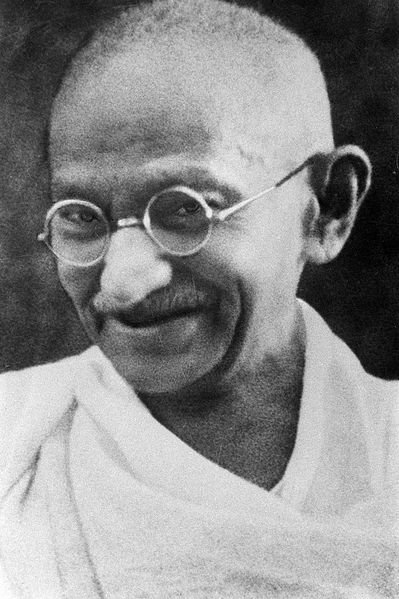
Gandhi’s Vision of Ramarajya: A Critique – Part II
Ramkrishna Bhattacharya The extent of democracy Is Gandhi’s Ramarajya a land of the equals with all economic disparity gone? The utopias conceived by many writers since the sixteenth century do so. Gandhi held out no such hope in this regard. On the other hand, he categorically declared: [The] Ramarajya of my dream ensures equal rights…
-
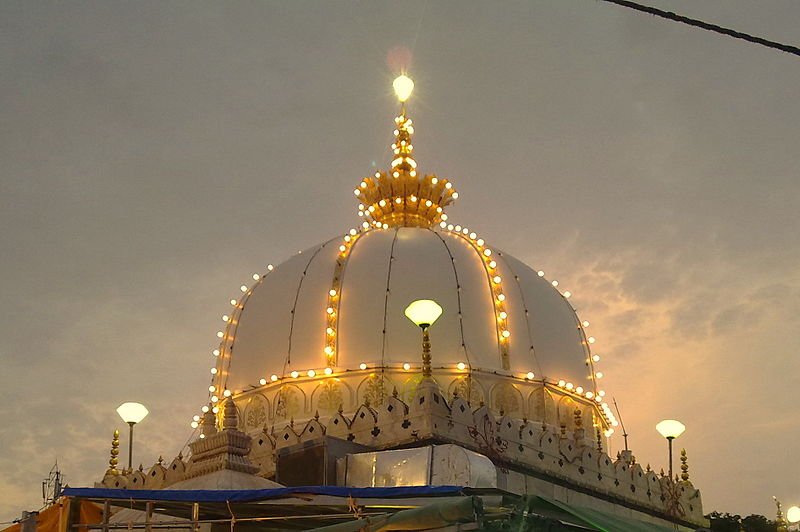
Bhakti-Sufi Traditions: Uniting Humanity
Ram Puniyani In contemporary times, religions’ identity is being used as cover for political agenda. Be it the terrorist violence or the sectarian nationalism in various parts of the World, religion is used to mask the underlying politics. While one was talking of separation of religion and politics many decades earlier, the times have been showing…
-
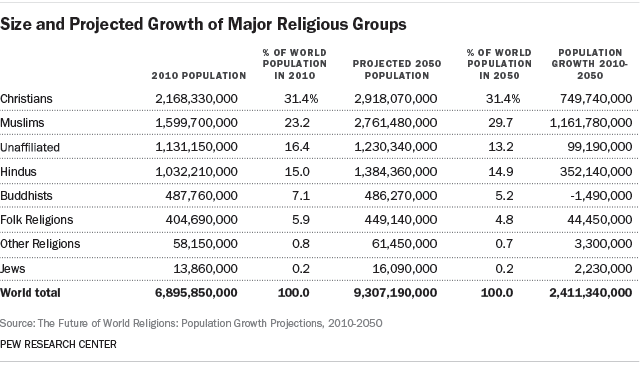
Population by Religions in Times to Come
Ram Puniyani The PEW Research Center has released a report (2nd April 2015); which gives the projections of populations in times to come. It says that in India the population of Hindus will fall down from present 79.5 % to 76.7% and the Muslim population will rise up to 18% by 2050. The population of Indian Muslims…