-
Gandhi’s Vision of Ramarajya: A Critique: Part I
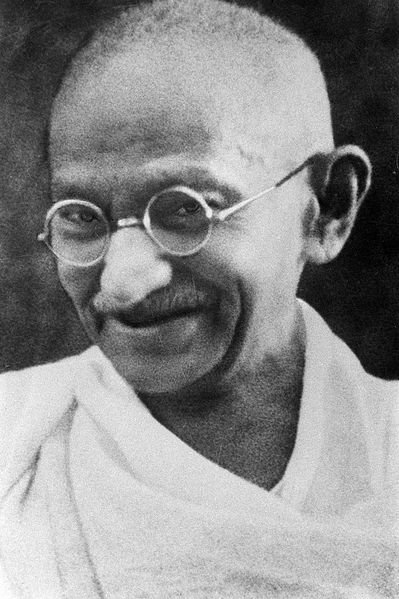
Ramkrishna Bhattacharya Ramarajya, ‘’the kingdom of Rama,’ is the projection of an ideal state in the Sanskrit epic, Valmiki Ramayana. When Rama, after rescuing Sita, his wife, from the demon Ravaṇa, came back from his fourteen-year exile, he was given back his kingdom by his devoted brother, Bharata. Rama, we are told, was a model…
-
Jana Gana Mana Adhinayaka: It’s Not About King George
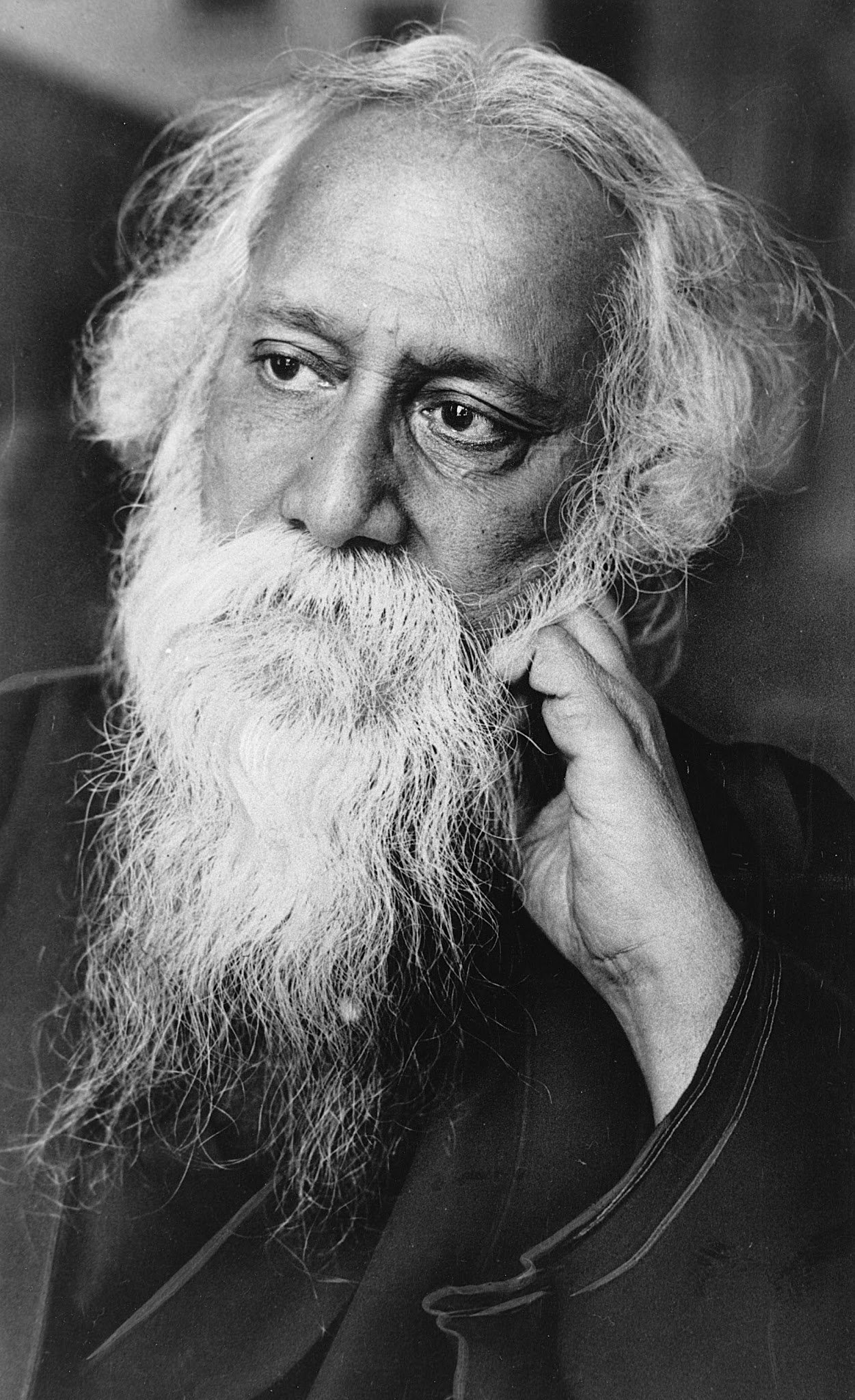
Debates surrounding India’s national anthem often involve myths that Rabindranath Tagore’s Jana Gana Mana was written to honor King George V. This article addresses these misconceptions, examining how colonial media errors perpetuated the rumor, how Tagore clarified his focus on human destiny, and why the anthem’s pluralism remains vital today
-
Ramarajya in Valmiki, Tulsidas and Krittibas: A Comparative Study
Ramkrishna Bhattacharya The concept of Ramarajya (literally, the kingdom of rama), the all-found-land, or the land of heart’s desire, is first projected at the end of Book 6 (Lankakanda, Book of War) of the Valmiki Ramayana [critical edition (Varoda: Oriental Institute) canto 116 verses 84-90, vulgate (Delhi: Parimal Publications edition) 128.99-106]. The passage runs as…
-

Color Coding of Communal Politics
Ram Puniyani As per the reports from Ahmadabad (12th April 2015) the uniform at Shahpur School, where most of the students are Hindus, is saffron and the color of uniform in Dani Limda school where almost all the students are Muslims, the color is green. This is absolutely shocking! One knew that the ghettoization of Muslims in Ahmadabad is probably…
-
A Class Utopia in the Rāmāyaṇa
Ramkrishna Bhattacharya An imaginary land of heart’s desire is known as utopia (literally, no-place, but actually meaning ‘a happy place’, eutopia) in Latin. Originally it is the title of a book written by Thomas More (1478-1535) in 1516. Uttarakuri was such a place in ancient India. This imaginary land was located beyond the Himalayas (for…
-
Ambedkar’s Ideology: Religion, Nationalism and Indian Constitution
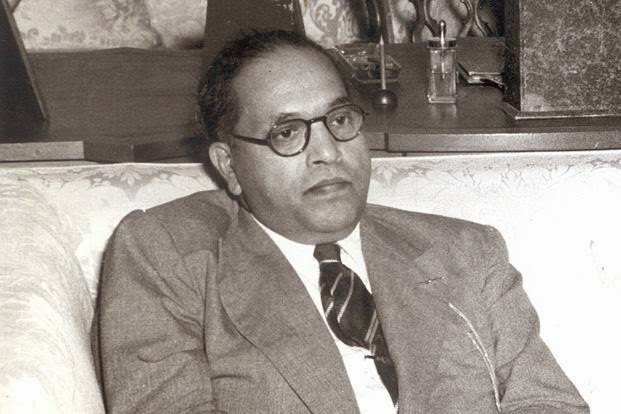
Ram Puniyani In order to gain larger legitimacy, RSS has been making claims of sorts. One of that which was made few months back was that Gandhi was impressed by functioning of RSS. Now on the heels of that comes another distortion that Ambedkar believed in Sangh ideology (Feb 15, 2015). This was stated by…
-

Leaping on Broken Glass.
This experiment demystifies the “Hatha Yogi’s Leap”—leaping barefoot onto broken glass. It demonstrates how preparing tumbled bottle glass, distributing weight across a deep granular bed, exploiting thick sole skin, and absorbing impact through vertical landings explain the demonstration entirely through fundamental principles of physics and physiology.
-

The Blister That Heals Itself
A fake burn blister is created by pressing a key’s ring hole into a fingertip while out of sight. Smudging ash on the raised skin mimics a cigarette burn. Natural tissue elasticity and capillary refill restore the skin’s shape within minutes, deceptively presenting ordinary physics as meditative self-healing.
-
Saffronisation of Education: Political Ideology and Interpretation of History
Ram Puniyani Our sub continent, which has a common past; shares its history, there are diverse ways of looking at the same history by groups belonging to different political ideologies. With the change of Government in Delhi, the leading institutions are having a major policy shift, organizations like Indian Council of Historical Research, National Council…
-
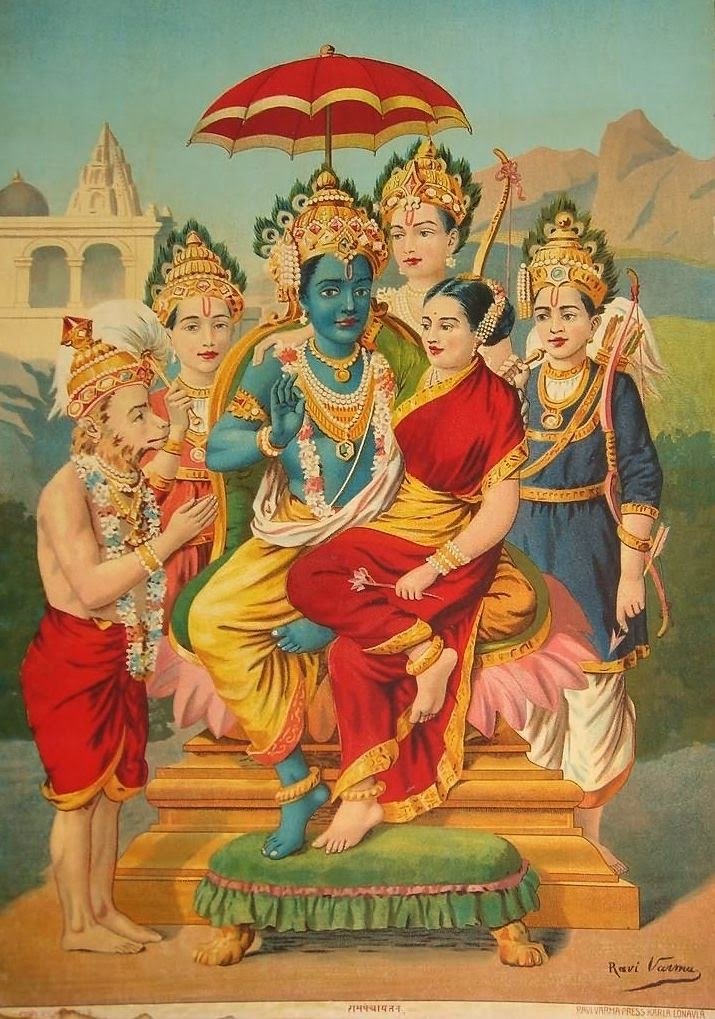
Subversion at Work: Astrology Discredited in the Vālmīki Rāmāyaṇa, Ayodhyākāṇḍa
Ramkrishna Bhattacharya An advertisement published in the Times of India (Kolkata edition) on December 10, 2014 entered by Nakshatra Diamond Jewellery (certified by Gemological Science International, International Gemological Institute, Independent Gemological Laboratories and others) contained a half-page picture of a bejewelled Bollywood film-star. The advertisement was entitled ‘This Pushya Nakshatra / Buy from the amazing…
-

Attacking the Cross: Rise in Anti Christian Violence
Ram Puniyani Julio Ribeiro is one of the best known police officers in India. Recently (March 16, 2015) he wrote in his article that he is feeling like a stranger in this country. ‘I feel threatened, not wanted, reduced to a stranger in my own country’. This pain and anguish of a distinguished…
-
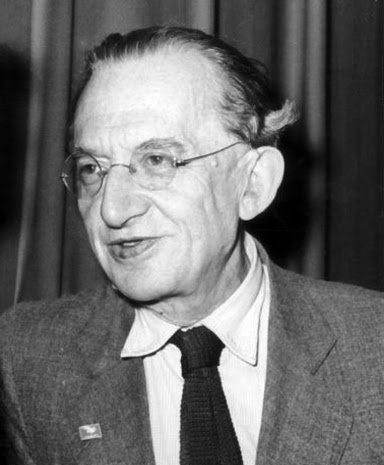
Georg Lukács, Philosopher and Aesthetician
Ramkrishna Bhattacharya Not a doctrine but a method Georg Lukács (1885-1971), philosopher and aesthetician, was one of the original philosophers of the twentieth century. A lifelong Marxist, he always believed that Marxism was not a doctrine but a method. In his seminal essay, ‘What is Orthodox Marxism?’ he insisted on this point as Engels had…
-
Religion, Politics and Society: A Birds Eye view
Ram Puniyani What has religion to do with politics? What has violence to do with religion? And how does the expression of major political agenda shape itself in contemporary times? Roughly speaking it seems that the religion is being used as a cover for many a political phenomenon. This seems to be the observation more…
-

Holy Cow-Beef and Indian Political Games
Ram Puniyani Can the dietary practices, the animal which is worshipped as a mother by section of population, be brought in on the political arena? While all this sounds surreal, its true as far as the role of cow is there in Indian political firmament. Recently Maharashtra Government got the Presidents assent to the bill…
-

In Defence of Reason
This essay defends rationality against modern fundamentalism and postmodern critiques, drawing parallels between classical Greek drama and Indian philosophy. Highlighting quotes from Sophocles, Euripides, and the Yogavāsiṣṭha, it underscores that reason must be continuously cultivated. In ancient India, the heterodox Cārvāka materialists stood out as uncompromising rationalists who rejected uncritical scriptural authority.
-
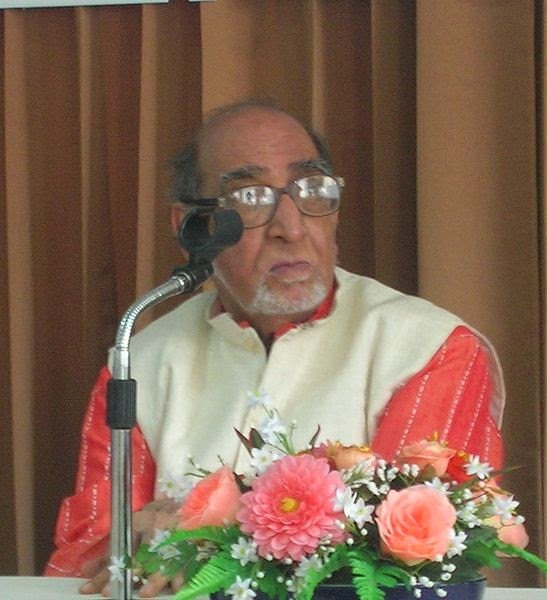
India Democracy at the Crossroads under Current Political Dispensation
Asghar Ali Engineer Memorial Lecture Ram Puniyani I begin this lecture paying tribute to my very dear friend, Dr. Asghar Ali Engineer, with whom I had the rare privilege of working with for close to two decades. Dr. Engineer was a unique scholar-activist, totally committed to the dream and vision of a humane society that…
-
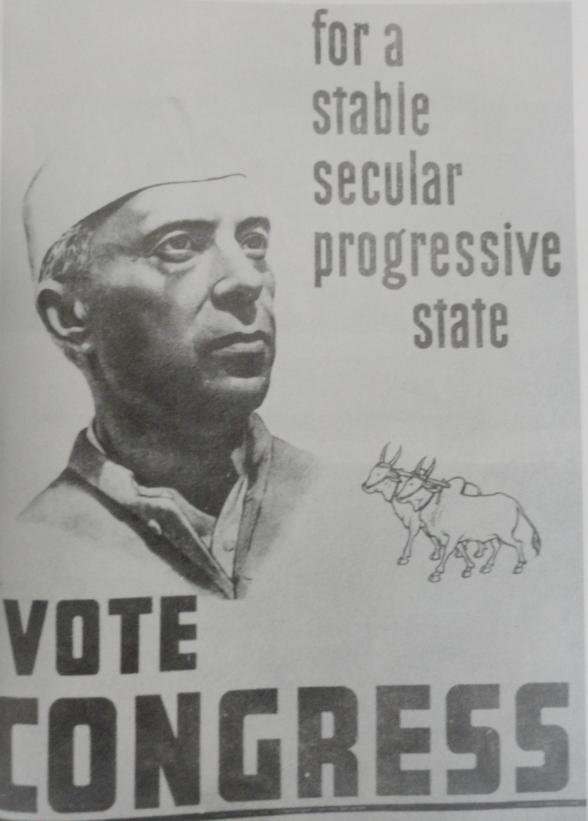
Why Secularism and Socialism missing in BJP Government Ads
Attempt to Undermine Secularism: Testing Waters! Ram Puniyani Words are not mere words; they do indicate our values and the basis of our association when it comes to the books like Constitution of India. Recently the controversy was created by dropping the words Secular and Socialist from Indian Constitution’s preamble in the advertisement released by…
-
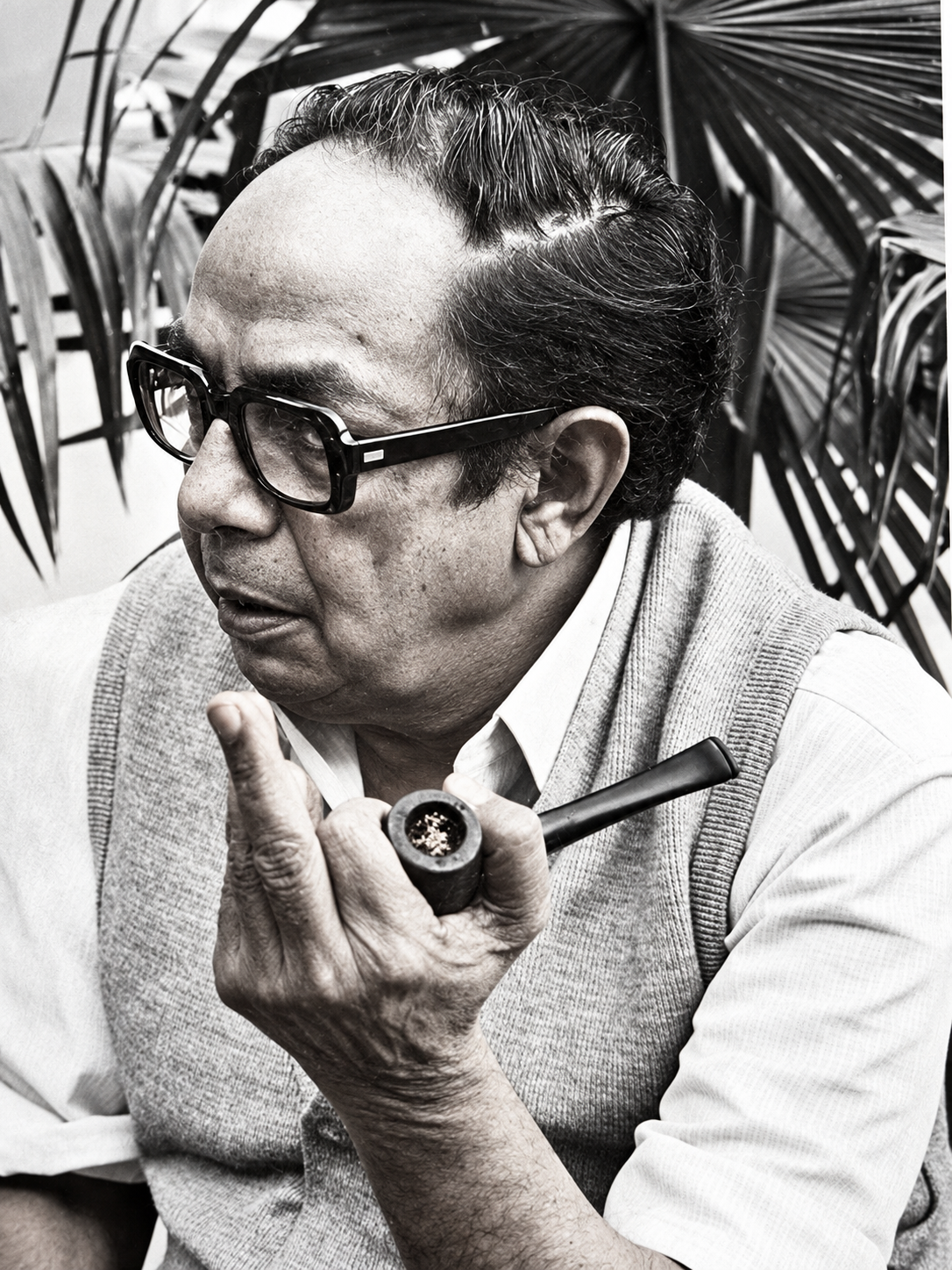
Professor Debiprasad Chattopadhyaya as a Researcher
This analytical appraisal examines Debiprasad Chattopadhyaya’s pioneering historiographical methodology in Indian philosophy and science. By integrating anthropological insights, archaeology, and socio-economic analysis, Chattopadhyaya defended ancient Indian materialism, unmasked the social functions of superstition, and challenged traditional orthodox classifications, establishing a materialist counterpoint to idealist traditions and reclaiming science’s historical roots.
-
Tattvopaplavavāda of Jayarāśi and its Alleged Relation to the Cārvāka/Lokāyata
Ramkrishna Bhattacharya challenges the classification of Jayarāśibhaṭṭa’s Tattvopaplava-siṁha as a Cārvāka text. Highlighting internal textual evidence, he argues Jayarāśi rejected all pramāṇas and claimed intellectual superiority over Bṛhaspati. Rather than endorsing materialism, Jayarāśi established a distinct, radical doctrine—tattvopaplavavāda—aimed at upsetting all philosophical principles and refuting all opposing views.
-
Svabhāvavāda
Lectures on the Cārvāka/Lokāyata (Part III)This lecture examines the conceptual evolution of svabhāva (own being) and yadṛcchā (chance) in Indian philosophy. Originally framed as cosmic first causes in the Śvetāśvatara Upaniṣad, svabhāva gradually shifted from signifying causality to chance. Between the sixth and eighth centuries CE, svabhāva-as-causality became assimilated into the atheistic Cārvāka/Lokāyata materialist tradition.
-
The Home of the So-called Pythagorean Theorem: Babylonia, Mesopotamia, China, India,… Vardhan’s and Tharoor’s Claims Refuted
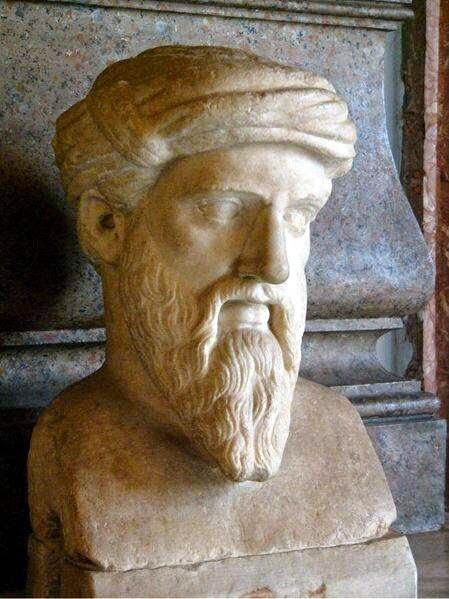
Ramkrishna Bhattacharya In a recent speech delivered before the scientists attending the 102nd edition of the Indian Science Congress, Dr. Harsh Vardhan is reported to have said: “Our scientists discovered the Pythagoras theorem but we very sophisticatedly [!] gave its credit to the Greeks’ (The Times of India, 08 January 2015). Mr. Vardhan is not…
-
Lectures on the Cārvāka/Lokāyata (Part II) :
Some Common Misrepresentations ExaminedThis lecture refutes common misconceptions surrounding Cārvāka/Lokāyata philosophy. It demonstrates that Cārvākas did not reject inference entirely, but accepted empirical reasoning while rejecting transcendent claims. Furthermore, it dispels the caricature of Cārvākas as unrestrained sensualists, showing that orthodox critics misrepresented their rejection of asceticism and ritualism as moral depravity.
-

Paris, Peshawar and Boko Haram – Religion, Politics and Violence
Ram Puniyani Massacre of hundreds of children in Peshawar by Pakistani Taliban, the atrocities, murders, kidnappings by Boko Haram, an Islamist group and the attack on Paris cartoon magazine Charlie Hadbo killing 16, have occurred in a short span of few months. The popular perception of relationship between violence and Islam got a further boost.…
-
What’s in Store for Kashmiris if BJP is Part of the Government?
Ram Puniyani The recent (December 2015) verdict of Kashmir elections has been fractured, so to say. While PDP has emerged as the largest single party, the BJP is a close second with substantial percentage of votes. Interestingly BJP has secured most seats and major vote share from the Hindu majority Jammu region of Kashmir. Now…