-
Fascism and the BJP
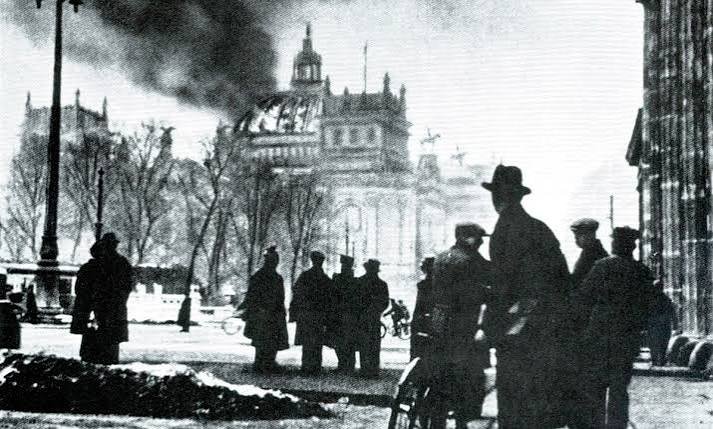
Drawing parallels with Nazi Germany, this article argues that the BJP-led government employs a combination of state power, cadre violence, and strategic propaganda to suppress dissent in India. Examining incidents like the Dadri lynching, Rohith Vemula’s suicide, and JNU arrests, Subhendu Sarkar highlights a systematic effort to erode democratic pluralism and establish a monolithic right-wing…
-
Kandhamal: Long Wait for Justice
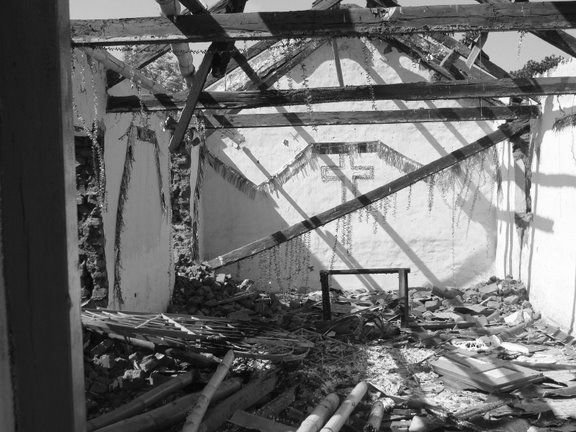
Reflecting on the 2008 Kandhamal violence, this article exposes the systematic, low-intensity persecution faced by India’s Christian minority. Driven by hate propaganda and false narratives surrounding forced conversions, right-wing outfits targeted vulnerable rural Adivasi belts. The author highlights the alarming apathy of the state and media, underscoring systemic failures in delivering justice to targeted minority…
-

Water Divining with a Y-shaped Twig
Introduction In this brief expository piece, B. Premanand demystifies the ancient practice of water dowsing using a Y-shaped twig. He reveals how apparent psychic abilities are actually governed by the ideomotor response—unconscious muscle movements triggered by environmental cues—and explains how water diviners exploit natural surface indicators to simulate supernatural water detection.
-
Pendulum Dowsing and Ideomotor Response
In this hands-on demonstration, B. Premanand illustrates how simple subconscious focus can trigger physical movement through the ideomotor response. By guiding readers through a classic pendulum experiment, he reveals how micro-muscular contractions—amplified by a simple thread—generate apparent mysteries, debunking the supernatural claims behind pendulum dowsing, water divining, and Ouija boards.
-

A History of Materialism From Ajita to Udbhaṭa Part IV
The Jayarāśi Question The Lion Assailing the Verities (Tattvopaplavasiṃha), written by Jayarāśi probably in the ninth century, has been claimed by some scholars to be the only surviving Cārvāka work. Others have challenged this view.[i] Since there is no external evidence to settle the question, the debate continues solely on the basis of internal evidence…
-
Curing Jaundice by Psychic Power
In this exposé, B. Premanand unmasks a widespread medical hoax where faith healers claim to extract jaundice using spiritual powers. By demonstrating how simple mustard oil mechanically emulsifies with saliva to produce a thick, bile-like liquid, he exposes the chemical illusion behind the fraud and highlights the urgent need for scientific temper in healthcare choices.
-
A History of Materialism From Ajita to Udbhaṭa
Part IIICarvaka: The Base Text and Its Commentators from the Eighth Century We now come to the formation of the philosophical systems, each having a set of aphorisms or sūtras with commentaries and sub-commentaries. Broadly speaking, the brahmanical position was unsparing in denouncing all the three of its non-Vedic adversaries, while the materialists had to put…
-
Shakuntala Devi, the Human Computer
B. Premanand demystifies the phenomenon of “human computers,” focusing on famed mental calculator Shakuntala Devi. By highlighting how rapid calculations depend on specialized algorithmic shortcuts and heuristics rather than supernatural abilities, the article explores the boundaries of mental math and encourages readers to evaluate extraordinary claims through a scientific lens.
-
Psychic Surgery
In this exposé, B. Premanand dismantles the fraudulent practice of “psychic surgery,” where healers claim to extract diseased organs bare-handed. By revealing how sleight-of-hand, hidden animal blood, and folded skin create a graphic illusion, the article exposes the grave dangers this medical hoax poses to vulnerable patients seeking genuine, life-saving care.
-
A History of Materialism From Ajita to Udbhaṭa Part II
Developments in Materialism up to the Eighth Century CE Besides the Upaniṣads, the origins of materialism in India can be traced to tales found in both Buddhist and Jaina works. One such narrative—the conversation between King Pāyāsi (Paesi) and a monk—has been frequently cited as an instance of early materialist thought.[i] The story, preserved in…
-
Uniform Civil Code: Why and How?
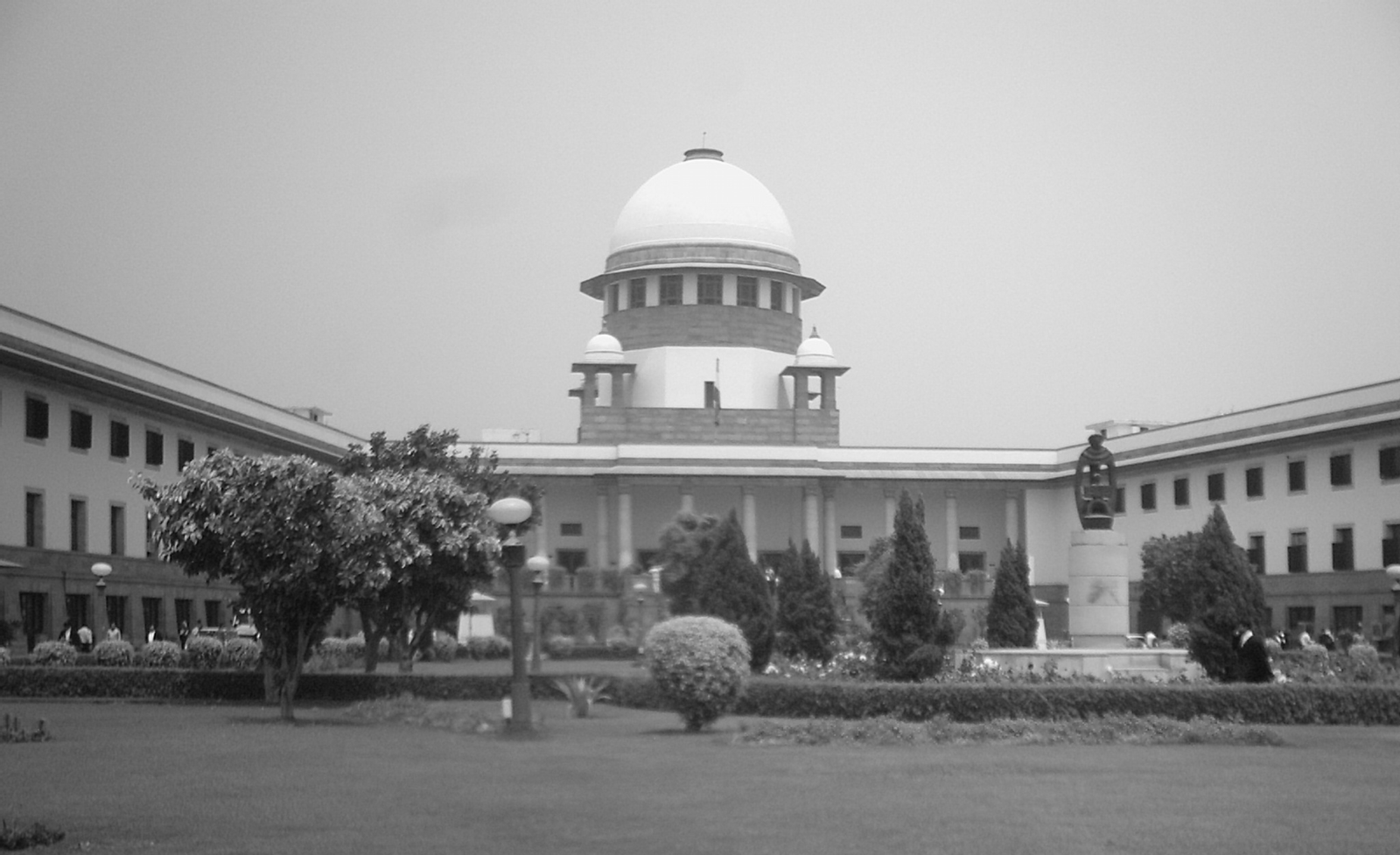
Ram Puniyani examines the complex debate surrounding India’s Uniform Civil Code (UCC), tracing its path from Constituent Assembly deliberations to modern political discourse. He contrasts state-imposed “top-down” legal uniformity with community-led “bottom-up” reforms, arguing that genuine legal progress must prioritize gender justice over political polarization and safeguard minority rights within a patriarchal society.
-

Should RSS Volunteers be permitted to join Government Services?
The debate over allowing government employees to participate in RSS activities strikes at the core of Indian democracy. Central to a functional parliamentary system is a politically neutral civil service. Permitting bureaucratic involvement in an organization with explicit political ambitions risks the systematic communalization of the state apparatus, directly threatening the impartial, secular administration guaranteed…
-
A History of Materialism From Ajita to Udbhaṭa
Part IWhat is Materialism? The word “materialism,” as the name of a distinct approach to nature (including human nature) in the context of philosophy, is found only relatively recently. The first recorded occurrence of the term in English, presumably borrowed from French, dates from the mid-eighteenth century. “Idealism,” the contrary of “materialism,” is not found in…
-
The Holy Cow
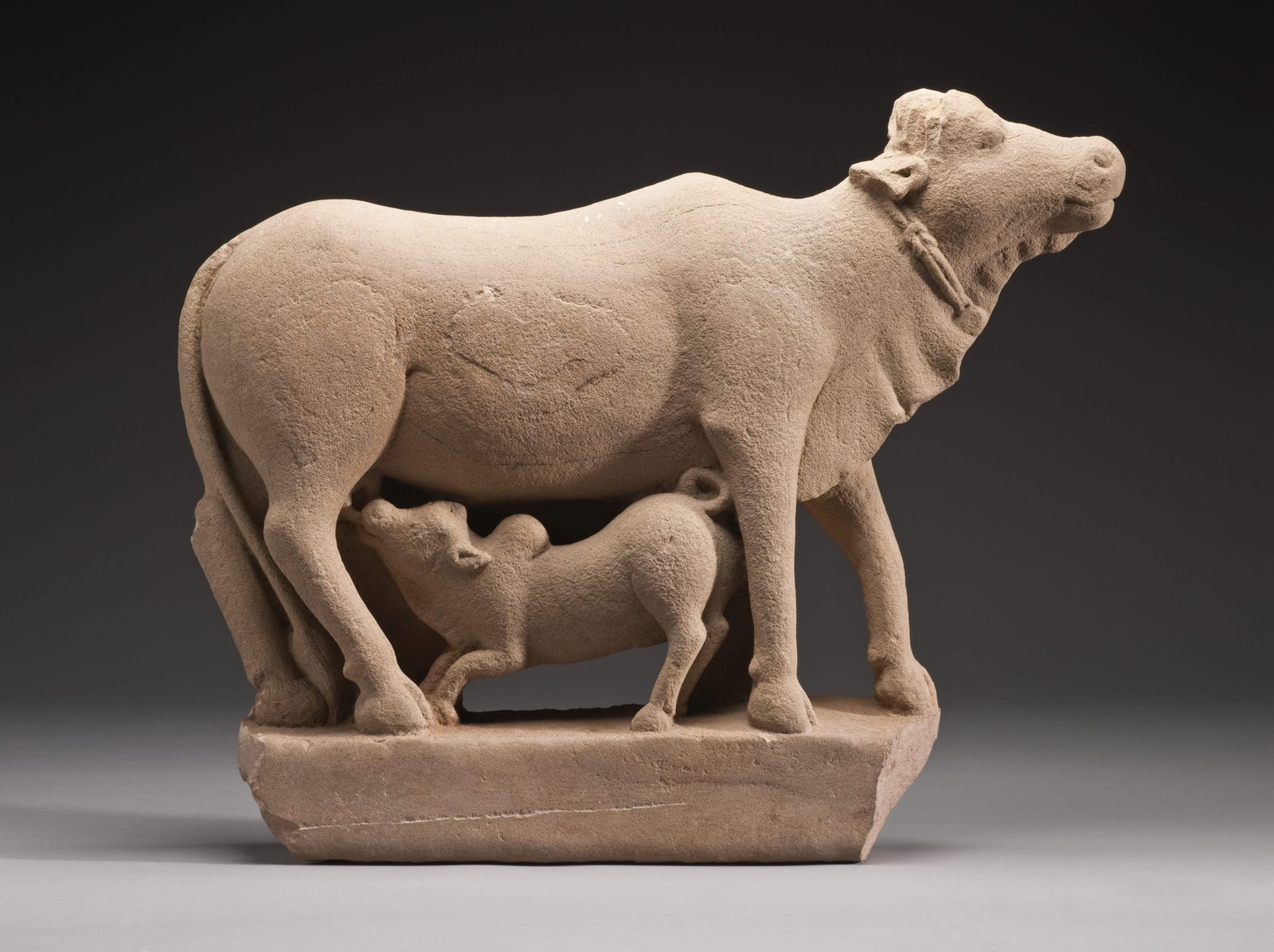
Once slaughtered for Vedic rituals and prized in ancient feasts, the cow was later elevated to sacred status through political calculation and religious rivalry. Today, this gentle animal is weaponized anew. Beyond the rhetoric of piety lies an age-old strategy: exploiting dietary taboo as a political lever to enforce conformity, stoke communal division, and redraw…
-
Is Astrology a Science?
Stars do not care, nor do distant planets shape human destinies. Long severed from real astronomy, astrology remains frozen in ancient ignorance—rejecting the light of modern discovery and the fundamental laws of cause and effect. Beneath its scientific veneer lies a static, closed dogma that mistakes celestial illusion for cosmic power while life’s infinite complexities…
-
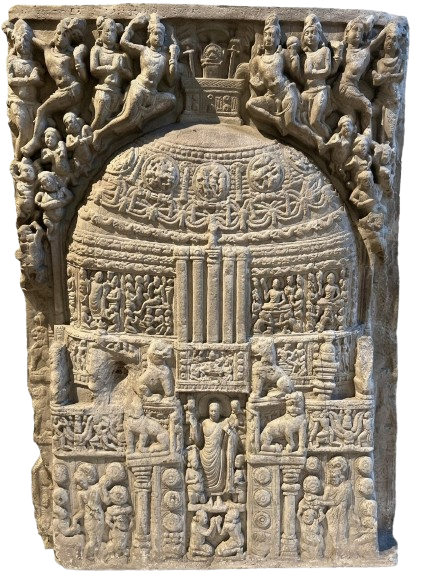
Did Ashoka’s embracing Buddhism and promoting Ahimsa Weaken India?
Long before modern borders were drawn, an emperor renounced military conquest to build a state on compassion and pluralism. Today, that legacy is under attack. Blaming ancient non-violence for national vulnerability masks a deeper motive: discrediting an anti-caste transformation. Behind the nationalist critique of Ashoka lies a centuries-old struggle between egalitarian ideals and the revival…
-
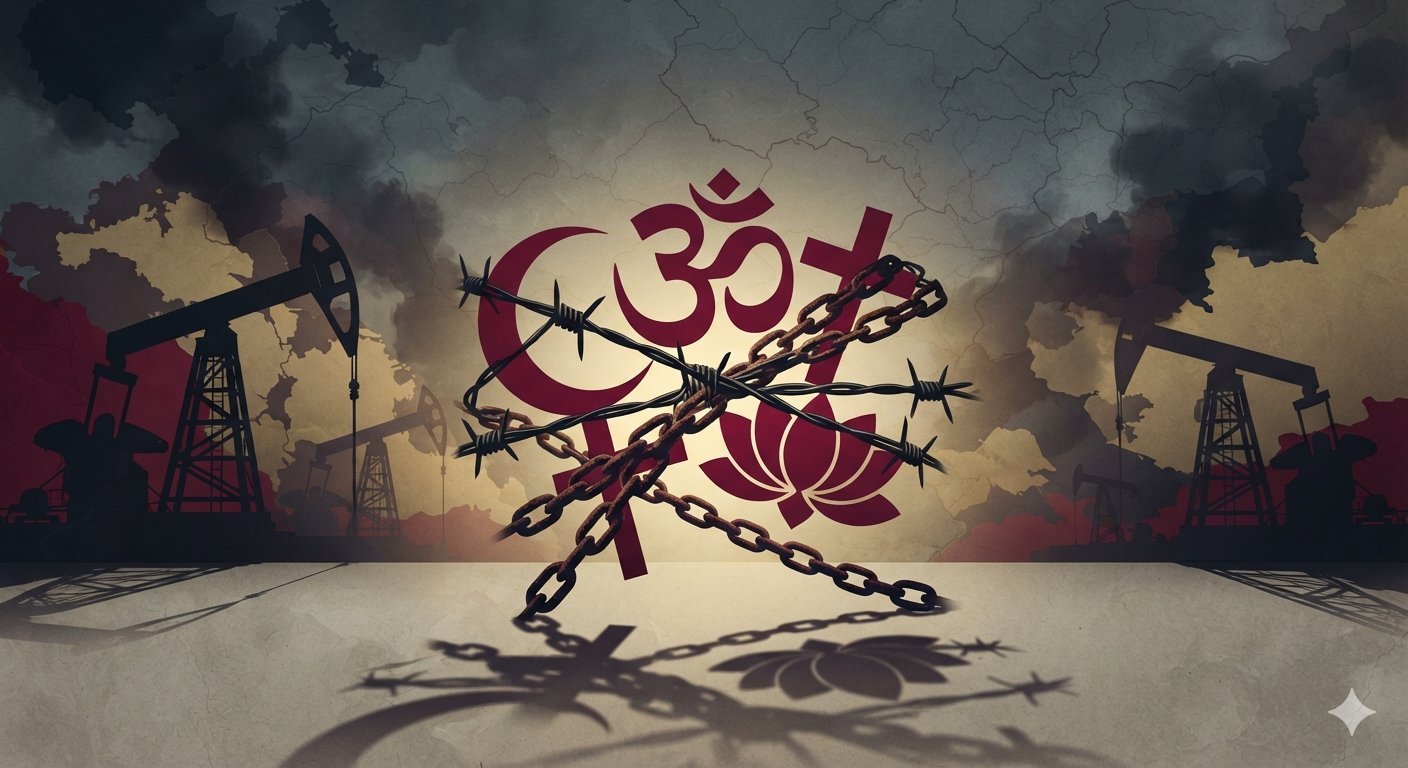
A World Gripped by the Cancer of Terror
Behind the global epidemic of terror lies a double-edged sword: imperial geopolitics and domestic fundamentalism. From gun violence in America to religious extremism across South Asia, mass violence is rarely about divine faith. Instead, toxic political forces systematically weaponize religion—twisting spiritual traditions into authoritarian tools to enforce social hierarchy, gain power, and mask economic greed.
-

March to Jantar Mantar
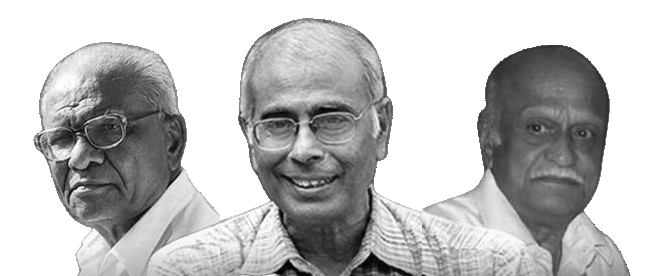
Justice for Dabholkar, Pansare, and KalburgiA national and international protest campaign titled “Against Violence, Towards Humanity,” will be launched in Delhi on July 20, 2016, and run until August 20, 2016. The campaign will conclude in Pune on August 20, 2016, with a mass demonstration joined by all like-minded organizations. We urge everyone to participate in this protest with full…
-
From Proto-materialism to Materialism
The Indian Scenario
Part IIShadows of ancient doubt linger beneath the sacred canonical texts. Long before modern skepticism arose, Indian thinkers dismantled the afterlife, challenged scriptural inerrancy, and asserted that consciousness dies with the flesh. Step past orthodox dogma to explore the suppressed, rationalist roots of pre-Cārvāka thought and the sharp materialist tradition.
-
Intolerance Debate
Intolerance has Gone Up due to SectarianismA quiet rebellion stirs as revered voices return their honors to the state. Beneath promises of rapid development, deep sectarian currents erode the nation’s pluralistic soul. As fear supplants reason and dissent meets hostility, an ancient democracy stands at a grave crossroads. Discover how rising intolerance threatens to redefine the republic’s future.
-
Goddess Drinking Blood
Beneath sacred rituals lies simple natural science. When tricksters claim a deity consumes blood from a dish, physical laws—not divine appetite—are at work. Thermal expansion, oxygen depletion, and atmospheric pressure cause the liquid to rise inside the vessel. This experiment demonstrates how air pressure differentials create a vacuum, transforming a mystical illusion into observable physics.
-
Licking a red-hot poker
Beyond mystical claims lies observable physics. When performers touch red-hot iron without harm, natural thermal principles—not divine immunity—are at play. Through rapid contact, moisture barriers, and steam cushions, physical laws temporarily slow heat transfer. Discover the scientific mechanics behind this classic illusion, along with the extreme hazards that make it dangerously deceptive.
-
Sleeping on Thorns
Beyond ascetic claims lies fundamental mechanics. When performers lie on thorny beds without injury, natural force distribution—not divine painlessness—is at play. Through dense packing, blunted tips, and weight distribution, simple physics prevents skin penetration. Discover the science behind this classic illusion, along with the mechanical principles that make it possible.
-
From Proto-materialism to Materialism:
The Indian ScenarioShadows of ancient doubt linger beneath the sacred canonical texts. Long before modern skepticism arose, Indian thinkers dismantled the afterlife, challenged scriptural inerrancy, and asserted that consciousness dies with the flesh. Step past orthodox dogma to explore the suppressed, rationalist roots of pre-Cārvāka thought and the sharp materialist tradition.