Questioners of India
Some people think that asking “How do we know?” is a new idea, or one that came from somewhere else. It isn’t. People in India have been asking hard questions for more than two thousand years: about the gods, about priests and rituals, about caste, and about “miracles”.
On this page you’ll meet some of them, from ancient thinkers to people of our own times. They didn’t all agree with each other, and they weren’t perfect. But each of them had the courage to say: “Show me the evidence,” or “Why should it be this way?”
More than 2,000 years ago📜 The First Questioners
Writing was rare in ancient India, and books were copied by hand. Many books by questioners were never copied, and were lost. So we often know these thinkers only through the people who argued against them. That’s worth remembering: when you hear only one side of an argument, you may not be getting the whole story!
The Chārvākas
Also called the Lokāyata, “the philosophy of this world”
This website is named after them! The Chārvākas taught that we should trust what we can actually observe. They said that there is no soul that survives death, no heaven or hell, and no rebirth: this life is the one we have, so we should live it well.
They questioned the holy books and the expensive rituals of priests, and asked who really gained from them.
Their own books are lost. Most of what we know comes from their opponents, who quoted Chārvāka ideas in order to argue against them. Scholars have collected these scattered pieces to rebuild what the Chārvākas really said.
Ajita Kesakambali
About 2,500 years ago, in the time of the Buddha
His name means “Ajita of the hair blanket”, because he wore a rough blanket made of hair. He taught that a person is made of four elements, earth, water, fire and air, and that at death they return to nature. There is nothing more, he said: no life after death.
We know about him only from Buddhist and Jain books, written by people who disagreed with him.
Those books also tell of a prince called Payasi, who doubted that there is life after death and argued about it with a Buddhist monk. In the story, the monk wins the argument. But the story was told by the monk’s side!
Siddhartha Gautama, the Buddha
About 2,500 years ago
The Buddha was a religious teacher, and he believed in some things, such as rebirth, that the Chārvākas rejected. But one piece of his advice has inspired questioners ever since.
The people of a town called Kesaputta, the Kalamas, were confused. Many teachers came to their town, and each one praised his own teaching and attacked the others. Whom should they believe? According to a Buddhist text, the Buddha told them:
“Don’t go by reports, by legends, by traditions, by scripture… or by the thought, ‘This contemplative is our teacher.’”
Instead, he said, when you know for yourselves that something leads to harm, give it up; and when you know for yourselves that it leads to good, follow it.
✊ Reformers Who Questioned Caste and Custom
For centuries, many people in India were told that they were born “lower” than others, and that this was the will of the gods. These reformers asked: who says so, and why should we believe it?
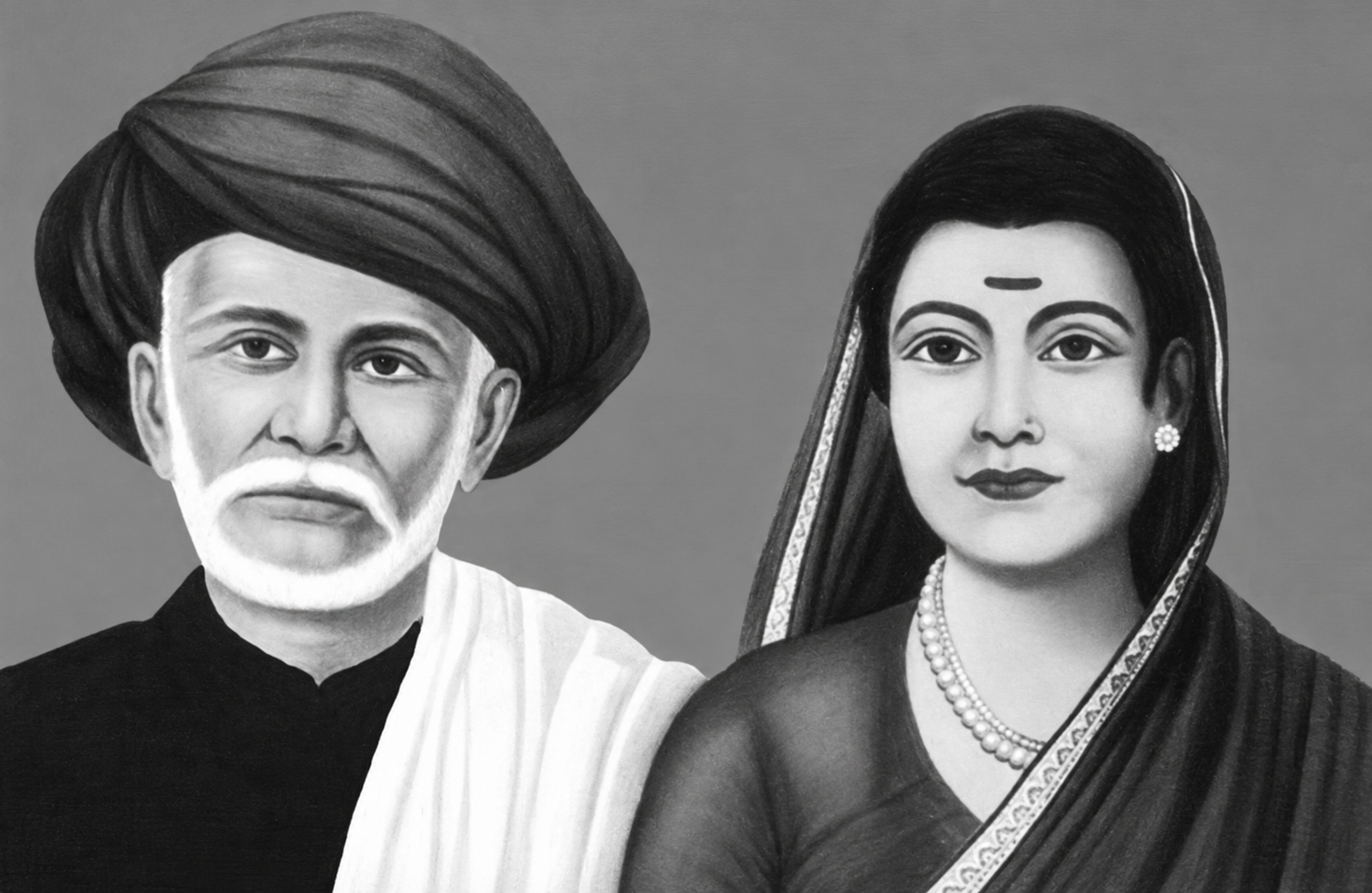
Jyotirao Phule and Savitribai Phule
Jyotirao 1827–1890 · Savitribai 1831–1897 · Pune, Maharashtra
In 1848, in Pune, this husband and wife opened one of the first schools for girls in India. At the time, many people believed that girls should not be educated, and that people of “low” castes should not learn to read. Savitribai became a teacher there. People threw mud and dirt at her on her way to school, so she carried a spare sari, and kept going.
In 1873 Jyotirao started the Satyashodhak Samaj, the “Truth-Seekers’ Society”. Its members held weddings without priests, writing and speaking their own promises. That same year he wrote Gulamgiri (“Slavery”), comparing the caste system to slavery. Jyotirao believed in a loving creator, but he refused to accept that any priest or holy book could make one person lower than another.
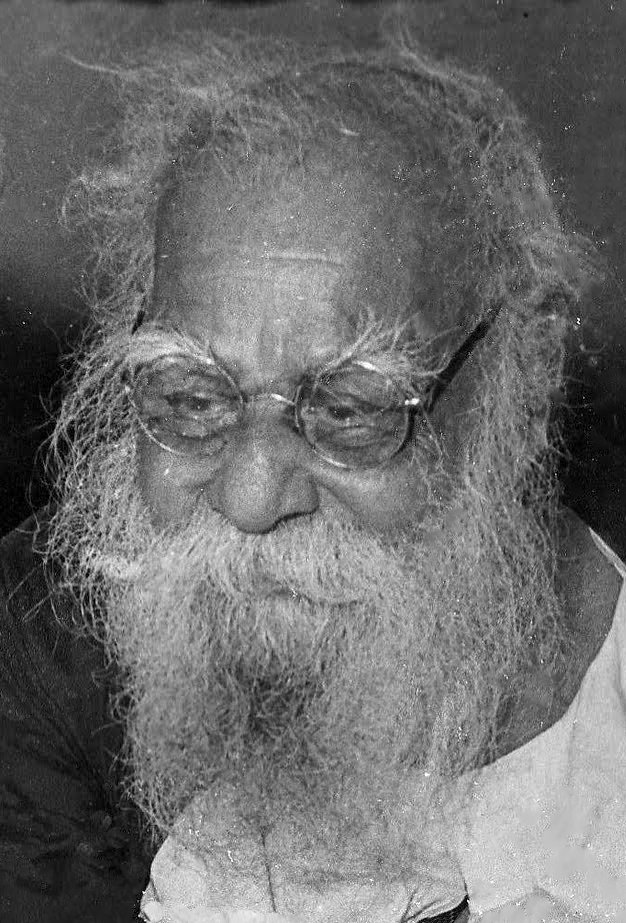
Periyar E. V. Ramasamy
1879–1973 · Erode, Tamil Nadu
In 1924, Periyar joined the struggle at Vaikom, in Kerala, where people of “low” castes were not allowed to use the roads near a temple. A year later, he started the Self-Respect Movement. It taught that every person deserves dignity, whatever their caste, and that people should think for themselves instead of blindly following priests and customs.
Self-Respect weddings had no priests and no expensive rituals. Periyar spoke up strongly for women: for girls’ education, for women’s right to choose whom to marry, and for their right to remarry. In 1938, a women’s conference in Madras (now Chennai) declared that he should be called “Periyar”, which means “the great one”.
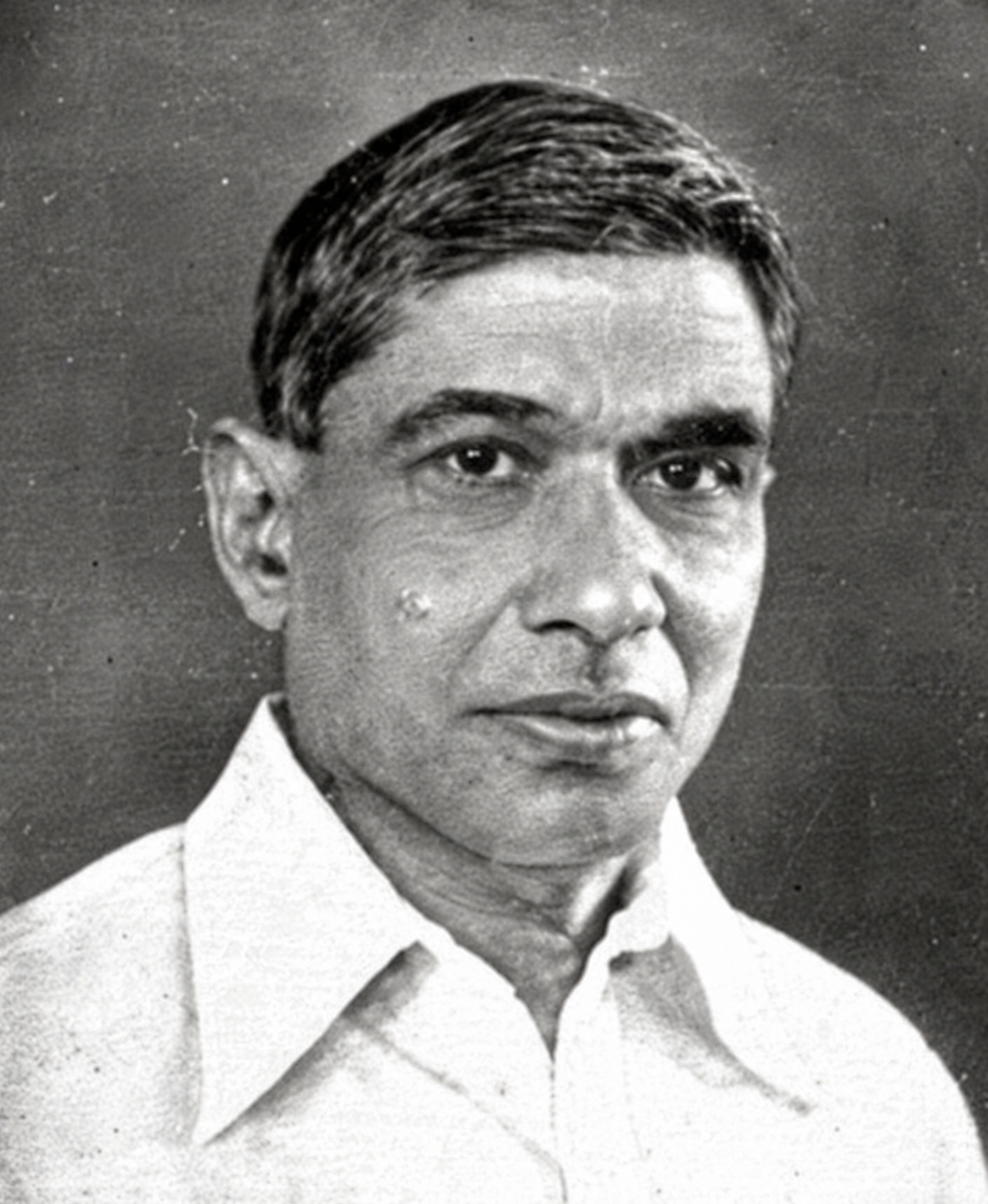
Sahodaran K. Ayyappan
1889–1968 · Cherai, Kerala
On 30 May 1917, in his village of Cherai, Ayyappan held a feast where people of many castes, including those then treated as “untouchable”, sat down and ate together. Today that sounds ordinary. Then, it was shocking. Angry people mocked him as “Pulayan Ayyappan”, after one of the castes he had eaten with. He took the insult as a badge of honour.
He was a student of the reformer Sree Narayana Guru, who taught “One caste, one religion, one God for humankind.” Ayyappan went further. His motto was:
“No caste, no religion, no god for humankind.”
He was the first editor of Yukthivadi (“The Rationalist”), started in 1929, the first rationalist magazine in Malayalam. Later he served as a minister in Cochin.
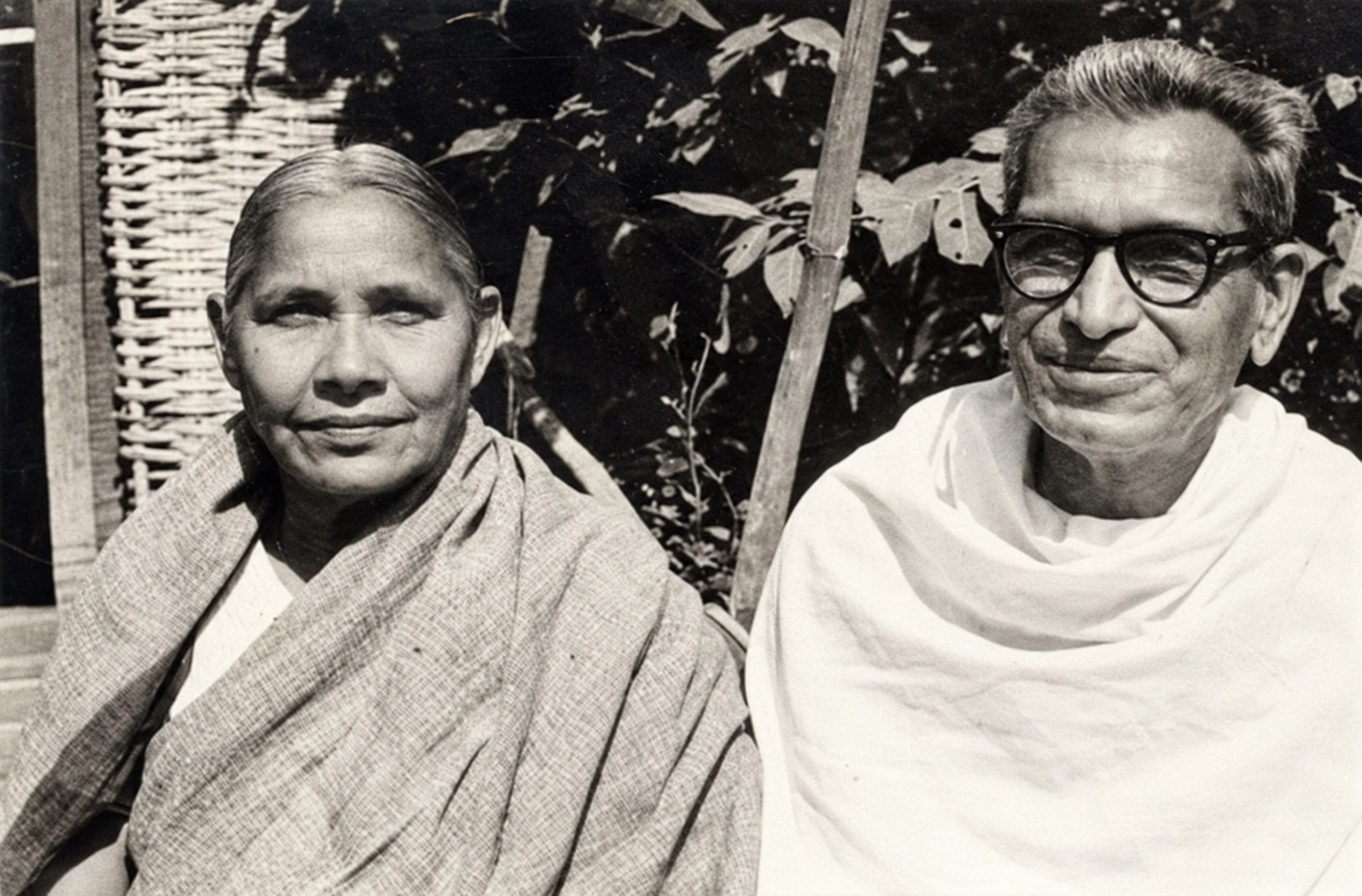
Goparaju Ramachandra Rao (Gora) and Saraswathi Gora
Gora 1902–1975 · Saraswathi Gora died 2006
Goparaju Ramachandra Rao, known as Gora, was a botany teacher. In 1940, he and his wife Saraswathi started the Atheist Centre in a village called Mudunuru, in Andhra Pradesh. It later moved to Vijayawada, where it still works today.
Gora called his idea “positive atheism”: not just saying “there is no god”, but working for a fairer world. The Centre held dinners where people of all castes ate together, helped couples of different castes to marry, and worked against untouchability. Gora also took part in the freedom struggle, and his talks with Mahatma Gandhi became a book, An Atheist with Gandhi. After Gora died, Saraswathi led the Centre for many years.
🔍 The Miracle-Busters
These questioners went one step further. When someone claimed a miracle, they didn’t just argue. They tested it, and showed everyone how the trick was done.
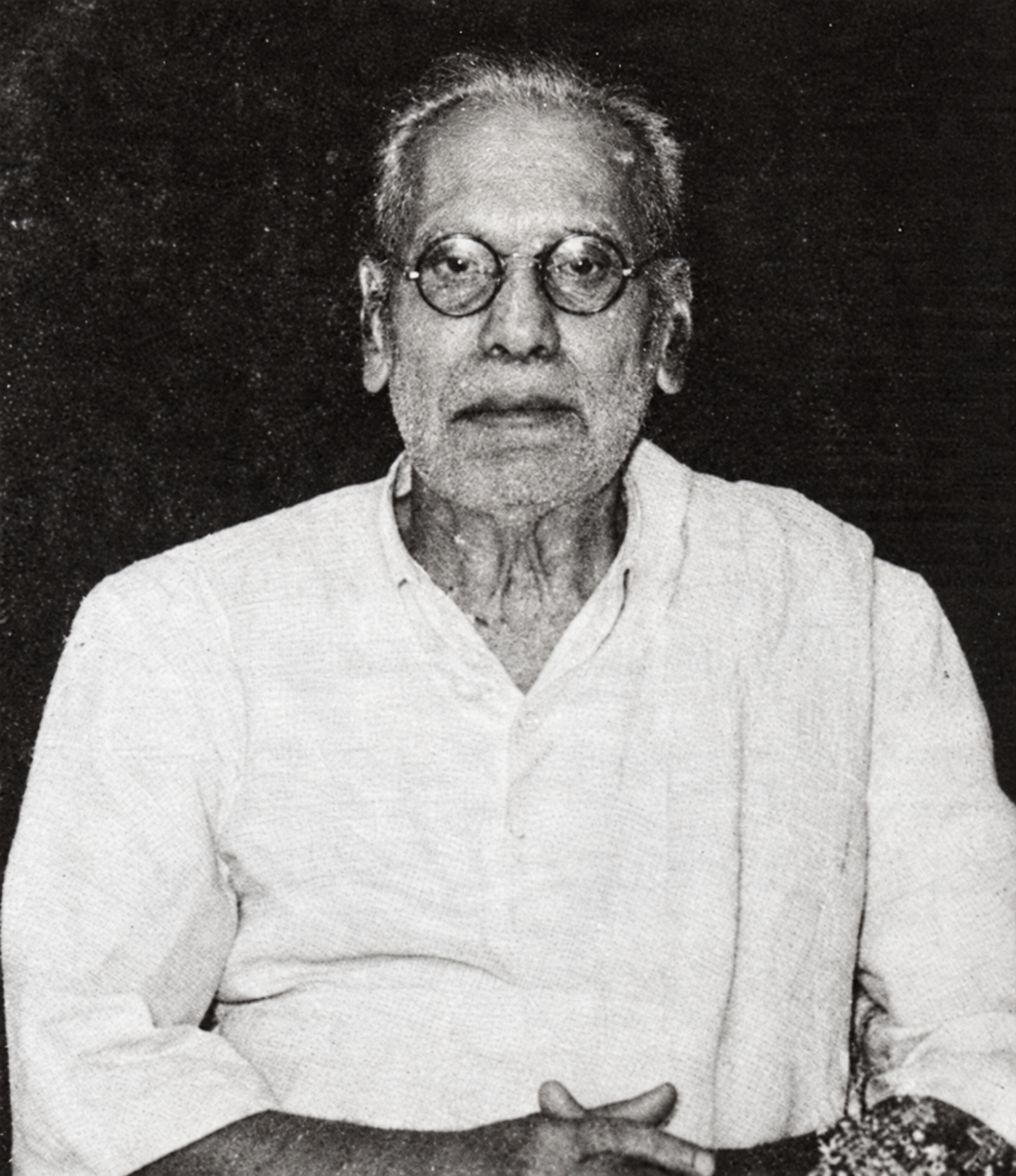
M. C. Joseph
1887–1981 · Thripunithura, Kerala
M. C. Joseph was a lawyer, and one of the founders of Yukthivadi, Kerala’s rationalist magazine. After Sahodaran Ayyappan, he took over as its editor, and he kept it going for about 45 years! People called him “Yukthivadi Joseph”.
In his column, called “Notes”, he questioned religions, superstitions and governments that bullied people. Like Kovoor and Premanand, he helped science even after death: he asked for his body to be given to a medical college.
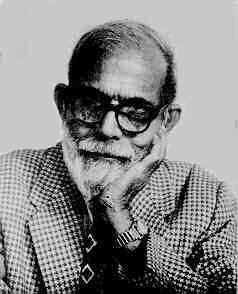
Abraham Kovoor
1898–1978 · Tiruvalla, Kerala, and Sri Lanka
A science teacher who toured India and Sri Lanka making “sacred ash” appear from his empty hands, and then showing how it was done. He offered a prize to anyone who could show a real miracle under fair test conditions. Nobody ever won it.
📖 Read his full story in Activity 6: Ash From an Empty Hand.
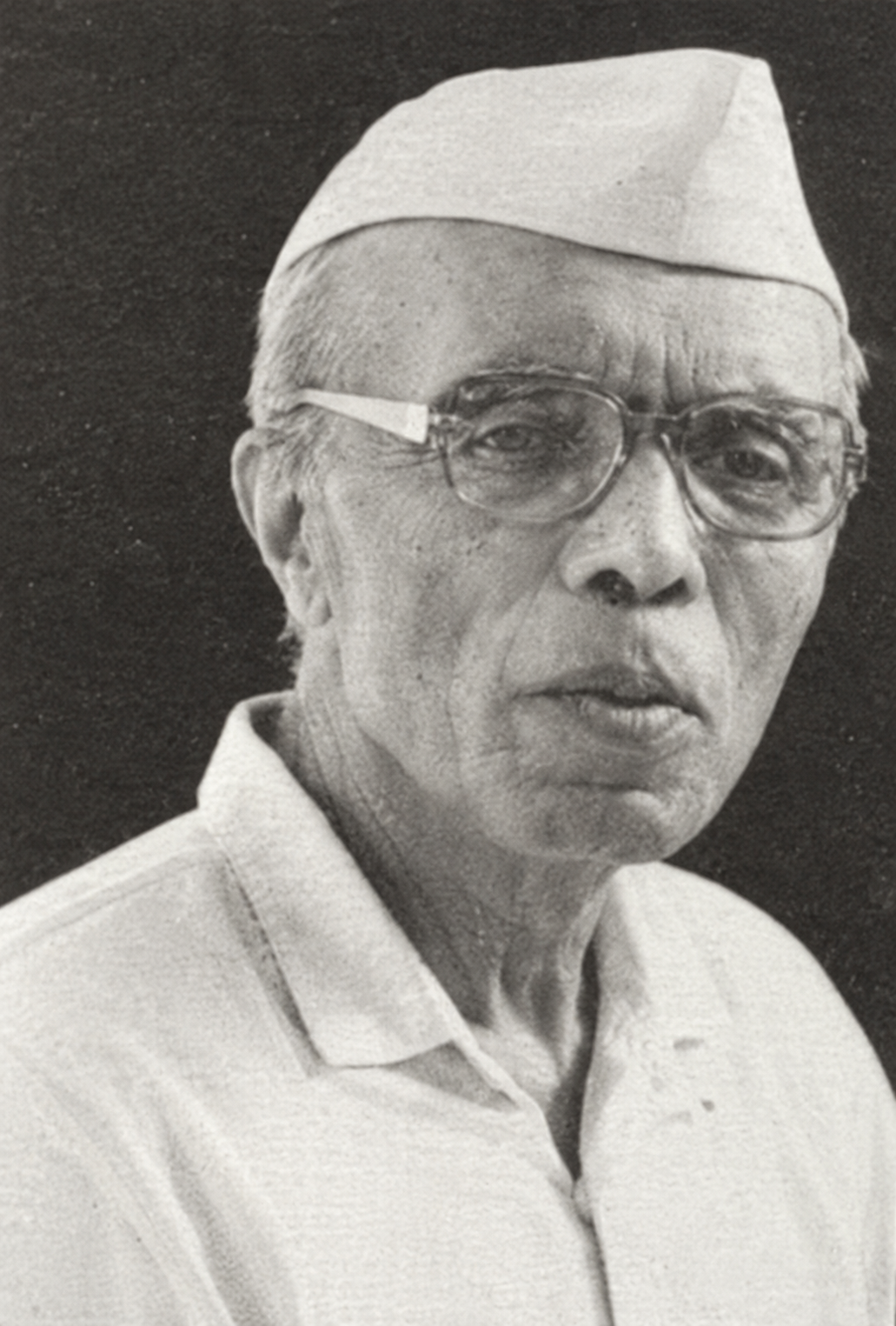
H. Narasimhaiah
1920–2005 · Karnataka
As a boy from a poor village family, Narasimhaiah walked about 85 kilometres to Bangalore (now Bengaluru) to go to school. In 1936, as a schoolboy, he translated a speech by Mahatma Gandhi into Kannada. In 1942 he left college to join the Quit India movement, and was jailed for months.
He became a nuclear physicist, and then vice-chancellor of Bangalore University. In 1976 he set up a Committee to Investigate Miracles and Other Verifiable Superstitions. It invited the most famous godman of the time to show his miracles under controlled conditions. The godman refused.
He lived simply, in a single hostel room with a big question mark on the wall. His motto:
“Questioning is the basis of all progress.”
Scientists abroad noticed his work too: he was elected a Fellow of the Committee for the Scientific Investigation of Claims of the Paranormal (CSICOP), the American group that publishes the magazine Skeptical Inquirer.
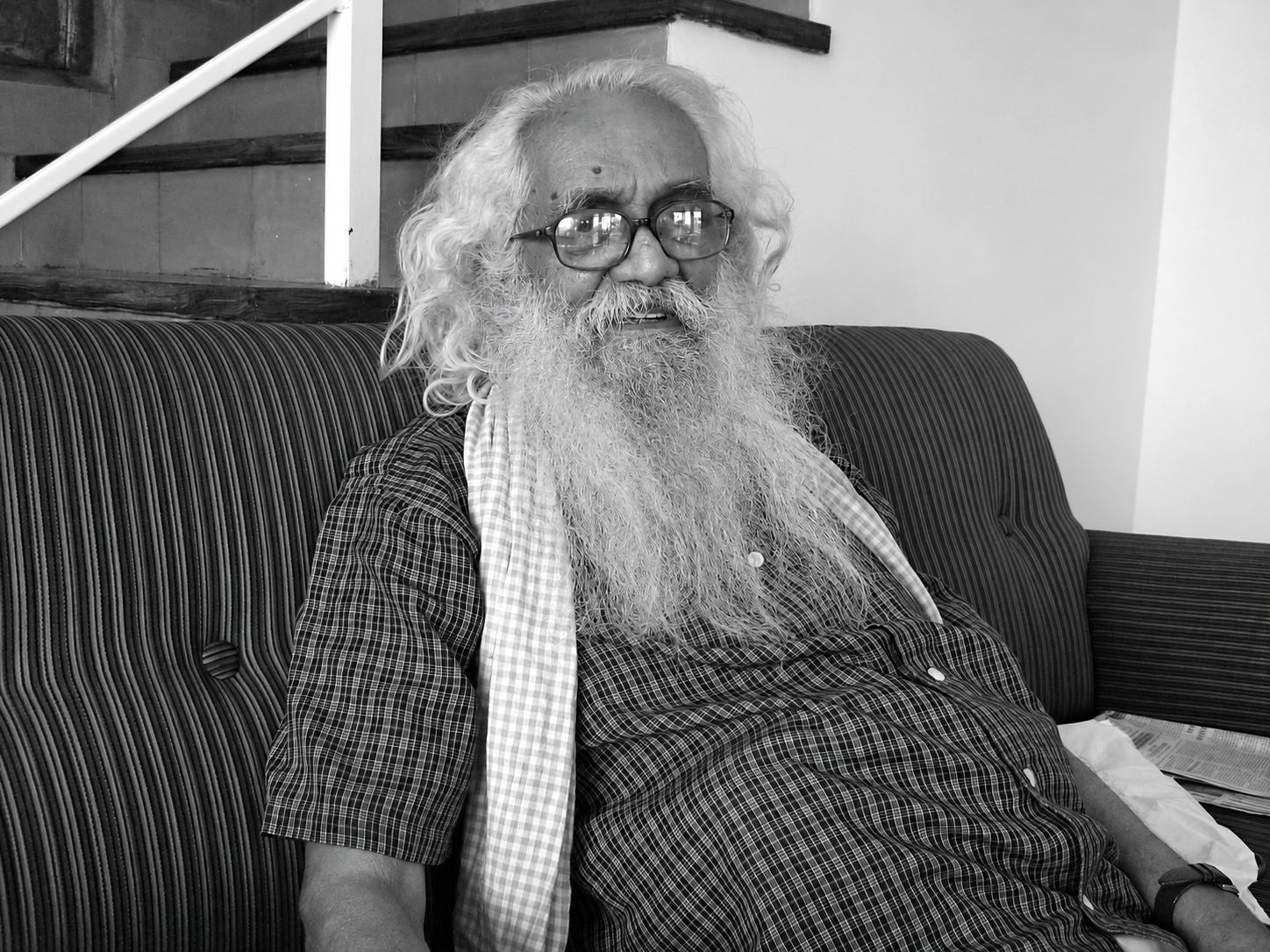
B. Premanand
1930–2009 · Kozhikode, Kerala
A talk by Abraham Kovoor changed his life. For more than thirty years, he performed the godmen’s “miracles” in front of crowds, then showed how they were done. His book Science Versus Miracles inspired many of our Young Skeptics activities.
📖 Read his full story in Activity 9: The Idol That Rose From the Earth.
🕯️ They Paid With Their Lives
Asking questions is everyone’s right, and, as our Constitution says, everyone’s duty. But some people are afraid of questions. Between 2013 and 2017, four people who spoke out fearlessly were killed. We remember them here not to frighten you, but because their courage matters, and because their work goes on.
If this part of the story makes you feel sad or worried, it’s a good idea to talk about it with a grown-up you trust.
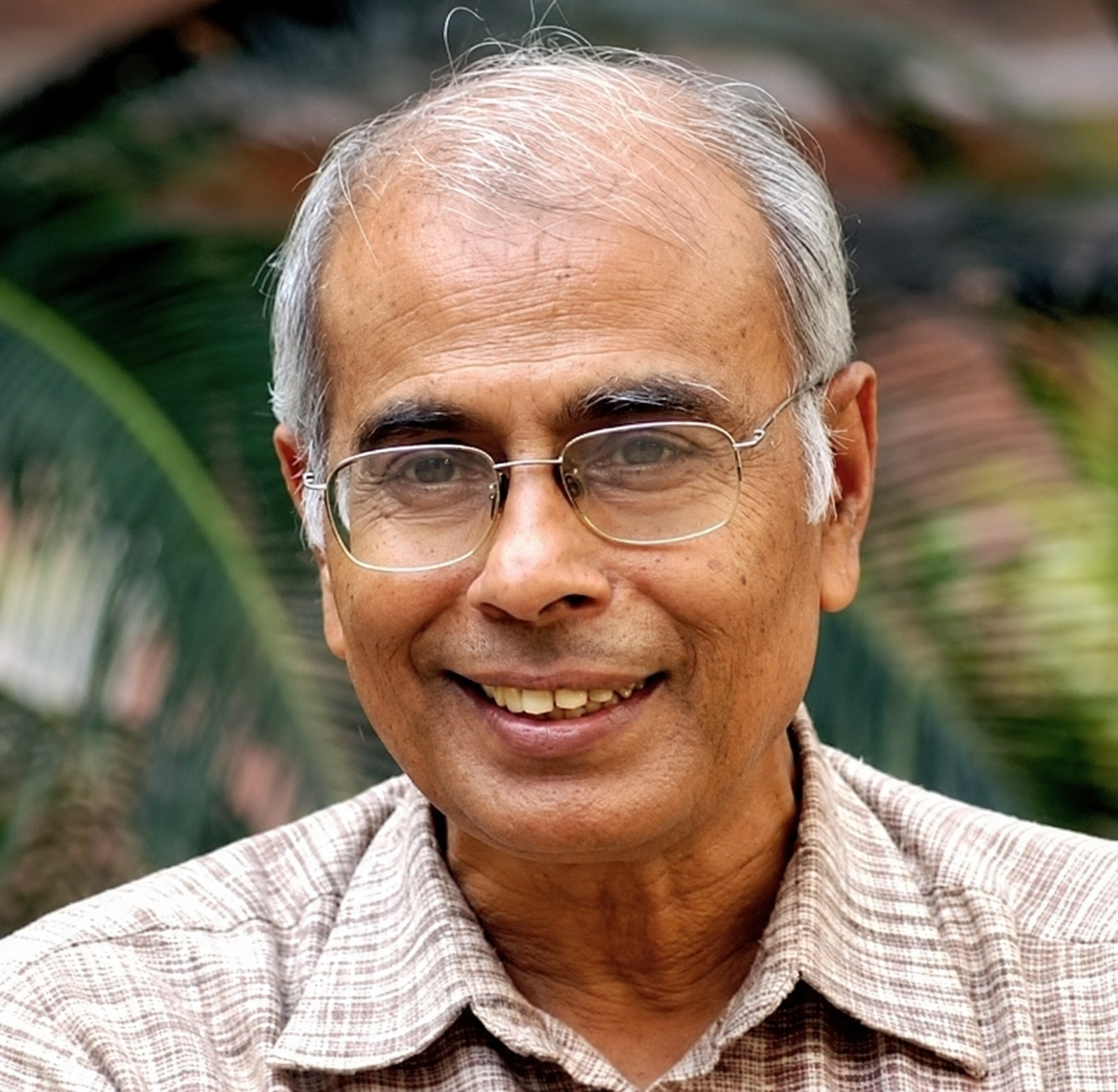
Narendra Dabholkar
1945–2013 · Satara, Maharashtra
Dabholkar was a doctor, and a champion kabaddi player who once played for India. In 1989 he helped start the Maharashtra Andhashraddha Nirmoolan Samiti, the Committee for the Eradication of Blind Faith. For years he exposed fake healers and “bogus doctors”, and campaigned for a law to protect people from cruel and exploitative practices done in the name of magic.
On 20 August 2013, he was killed in Pune while out on his morning walk. The very next day, the Maharashtra government brought in the law he had worked for, and before the end of that year it became an Act. His friends and family carry on his work.
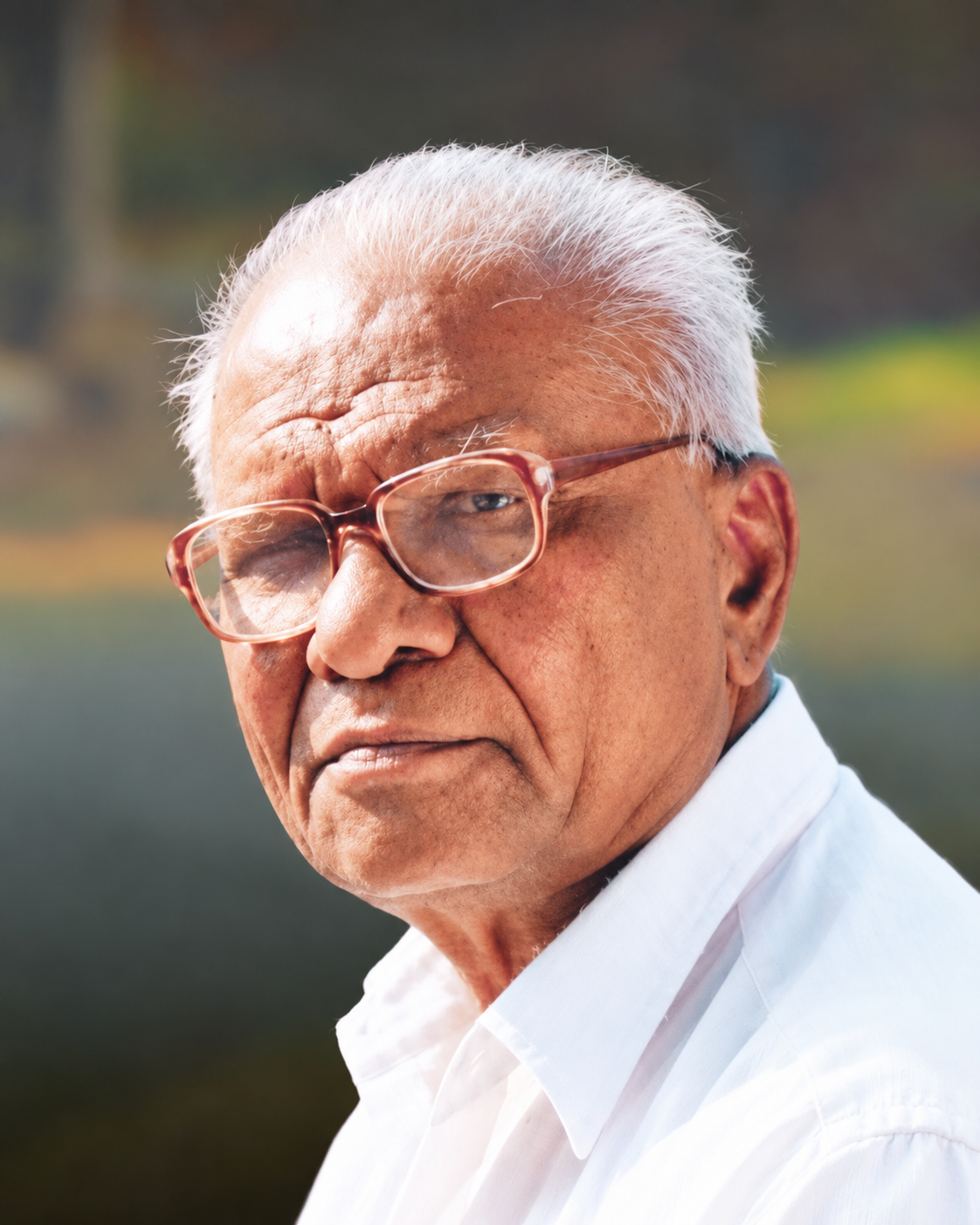
Govind Pansare
1933–2015 · Kolhapur, Maharashtra
Pansare grew up in a poor farming family that lost its land to moneylenders. He became a political leader in Kolhapur, and spent his life working for poor and ordinary people.
His short book Shivaji Kon Hota? (“Who Was Shivaji?”) sold more than 1,50,000 copies. It showed the great king as a ruler who cared about farmers and respected people of all religions. Pansare also supported the fight against superstition and the law that Dabholkar had worked for.
In February 2015, he and his wife, Uma, were attacked on their morning walk. Uma survived, but Pansare died a few days later.
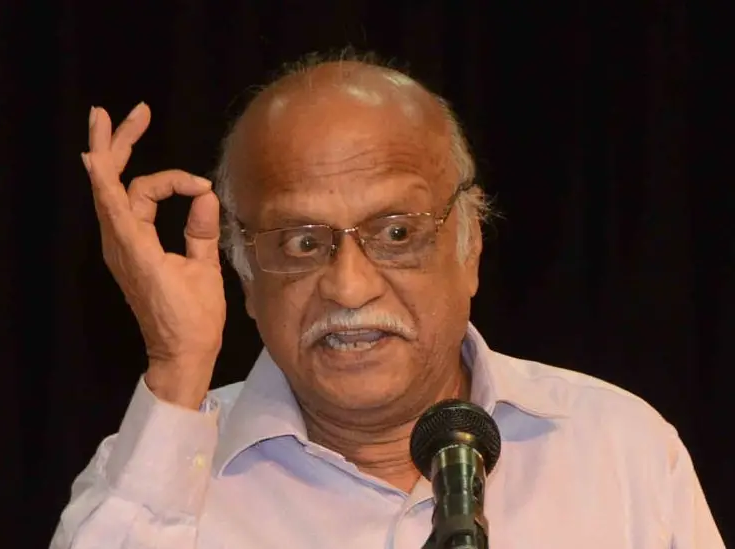
M. M. Kalburgi
1938–2015 · Yaragal, Karnataka
Kalburgi was a great scholar of Kannada. He spent his life studying the vachanas: short poems written 800 years ago by Basavanna and other poet-saints, who themselves questioned caste and empty rituals. He wrote more than a hundred books, and became vice-chancellor of Kannada University at Hampi.
He believed that questioning old beliefs, superstitions and unquestioned authority was the way to make society better. On 30 August 2015, he was killed at his home in Dharwad.
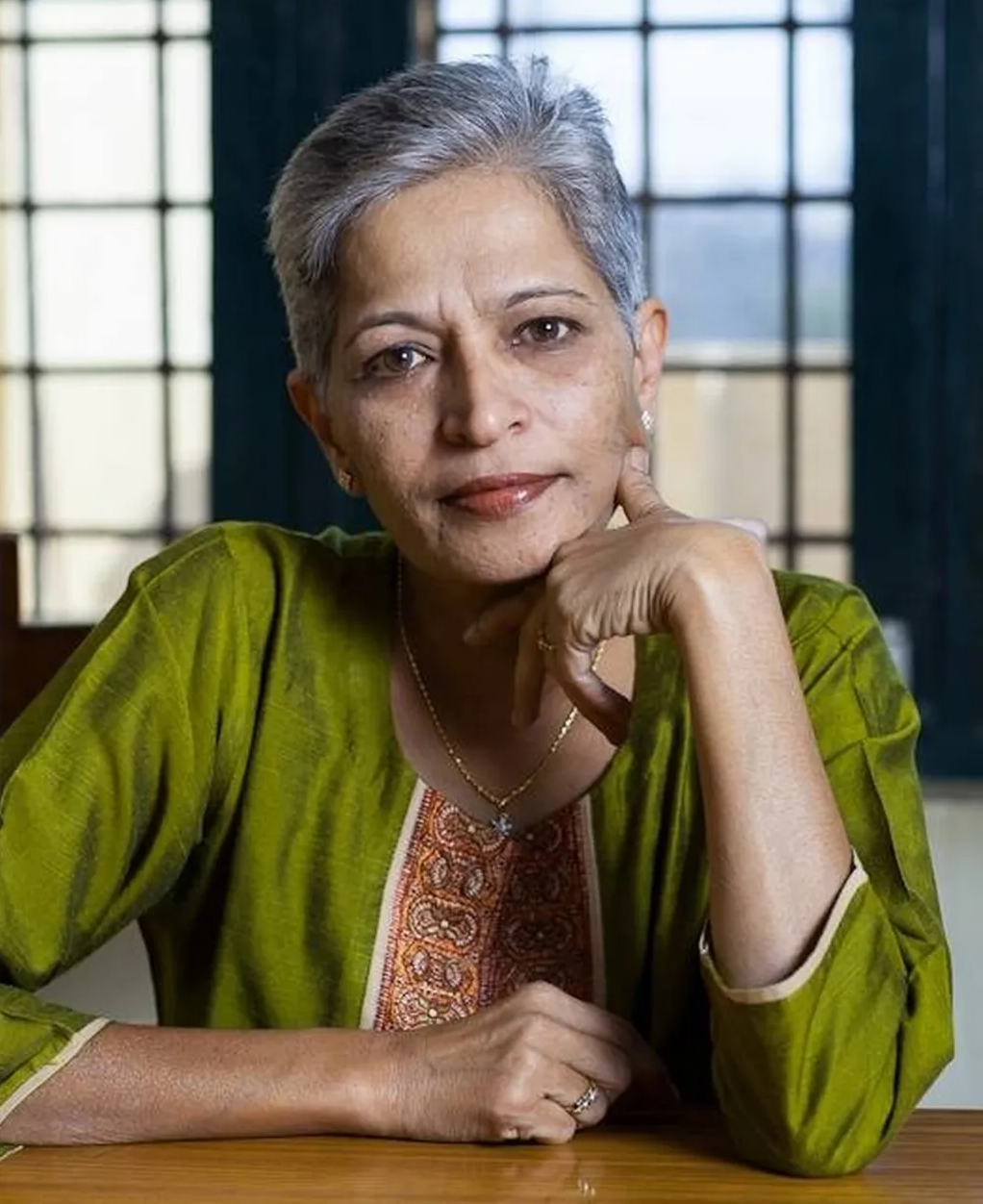
Gauri Lankesh
1962–2017 · Bengaluru, Karnataka
Gauri Lankesh was a journalist, and one of very few women to edit a newspaper in Kannada. Her father, P. Lankesh, had been a famous editor, and in 2005 she started her own weekly, Gauri Lankesh Patrike.
She wrote fearlessly against the powerful, and stood up for Dalits, for the poor, and for people of different religions living together in peace. She also helped people who had joined violent groups to give up violence and return to ordinary life. On 5 September 2017, she was killed outside her home in Bengaluru.
Every one of them began with a question.
So can you.
You don’t need to be famous or brave to start. You just need to ask, “How do we know?”, and then to check. The Young Skeptics activities and Thinking Tools will show you how.
For parents and teachers
- The last section: it deals with the murders of four people. We have kept the wording simple and avoided frightening detail. For younger or sensitive children, you may prefer to read it together. You can explain that most people who ask questions in India do so safely, that these killings shocked the whole country, and that they were investigated and taken to court.
- The court cases: we have deliberately not named the accused or any organisation on a children’s page. In May 2024, a special court in Pune convicted two men of Narendra Dabholkar’s murder and acquitted three others. For the latest on all four cases, please check current news reports.
- Who belongs on this page: these are not all “rationalists” in the same sense. Kalburgi was a literary scholar, Pansare a political leader and writer, and Gauri Lankesh a journalist. Jyotirao Phule believed in a creator, and the Buddha was a religious teacher. What they share is the courage to question openly. We have tried not to claim more for any of them than the record supports.
- The ancient thinkers: Chārvāka and Lokāyata texts survive only in fragments, mostly quoted by opponents. The scholar Ramkrishna Bhattacharya devoted his life to collecting and studying them. The story of Prince Payasi is in the Pāyāsi Sutta of the Pali canon. Some versions describe cruel “experiments” attributed to him; we have left these out. Bhattacharya suggested they may have been thought experiments rather than real events, and we cannot know either way. Ajita Kesakambali’s teaching appears in the Sāmaññaphala Sutta and other Buddhist texts.
- Sources: “Fragments from the Ajivikas and the Charvakas” (Encyclopaedia Britannica); the Kalama Sutta (AN 3.65), translated by Thanissaro Bhikkhu, at Access to Insight; “Satyashodhak marriages resist Brahminical rituals” (The Caravan); “Women’s collective formalised addressing of EVR as ‘Periyar’” (DT Next); “Shaping a Modern Kerala: Sahodaran’s Poetry” (Sahapedia); “Gora” (Humanist Heritage, Humanists UK); the list of Fellows in Skeptical Inquirer, January/February 2000, on H. Narasimhaiah’s CSICOP fellowship; “Farewell to a Rationalist Icon” (Humanists International) and “H. Narasimhaiah: Rationalist” (Outlook); “Founder” (Maharashtra Andhashraddha Nirmoolan Samiti); “Dabholkar’s death changed the law” (Free Press Journal); “Act of Cowardice” (Thought & Action), on Pansare; “MM Kalburgi: A Scholar Silenced” (Outlook); “Who was Gauri Lankesh?” (Onmanorama).
- Biographies (Wikipedia): Jyotirao Phule, Savitribai Phule, Periyar, Sahodaran Ayyappan, Gora, M. C. Joseph, H. Narasimhaiah, B. Premanand, Narendra Dabholkar, Govind Pansare, M. M. Kalburgi, Gauri Lankesh.
A Young Skeptics page, written with the assistance of AI tools, and reviewed by our editors. — CHARVAKA DESK