-
Unmasking Misconceptions
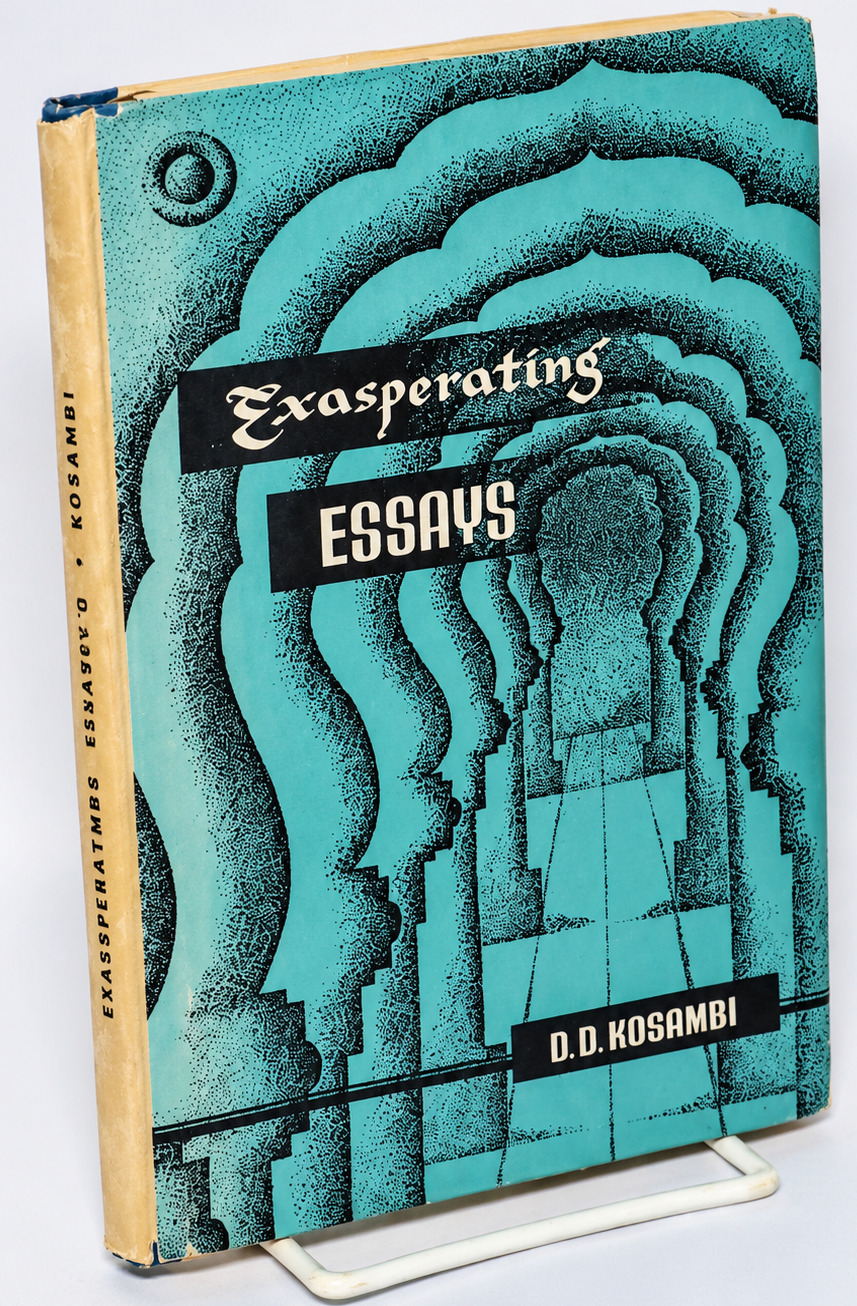
D. D. Kosambi’s Exasperating EssaysFirst published in 1957, D. D. Kosambi’s Exasperating Essays: Exercises in the Dialectical Method offers a penetrating Marxist analysis of Indian society, history, and culture. Spanning topics from class structures and scientific freedom to the decline of Buddhism, Kosambi challenges both orthodox dogmas and bourgeois misconceptions, providing a brilliant, multidisciplinary framework for understanding India’s historical…
-
Baba Ramdev’s anti Corruption Fast: New Face of Communal Politics
Ram Puniyani The police crackdown on people assembled to participate on the anti corruption fast by Baba Ramdev on the Sunday night, 5th June 2011, needs to be condemned to no end. As the police methods are, brutal by there nature, in their effort to evacuate the Ramlila ground, they did resort to the firing of…
-
Baba Ramdev: Yogi or Commissar?
Ram Puniyani Ramdev has been probably the most successful of God men of recent times. He claims to have a following of over a billion people. There are an infinite number of people claiming that his yoga therapy and medicines work wonders for their health. Baba in a short span of time has built…
-
Ramdev – The Nuttiest Guru!
Ramdev is the nuttiest of yoga gurus we have seen in recent years. Here is a sample of his wisdom retrieved from a recent interview he gave to Tehelka: On Cleansing Corruption If the black money from abroad comes back into the same corrupt system, how will it reach the people? That’s why the…
-
After the dust has settled
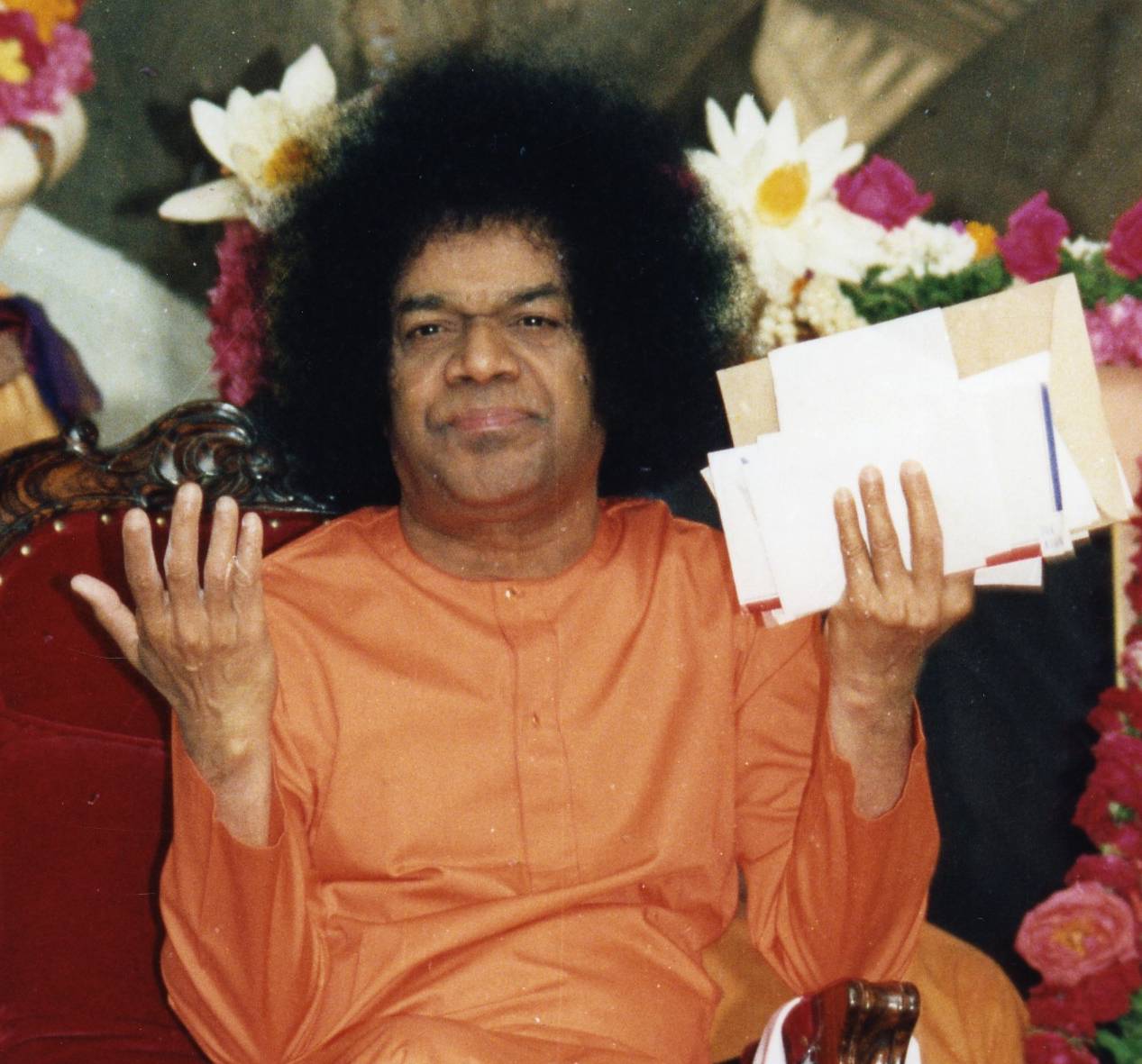
This statement by Narendra Nayak, President, Federation of Indian Rationalist Associations, sharply critiques Sathya Sai Baba, alleging widespread fraud, financial corruption, media manipulation, and legal immunity despite severe misconduct. It calls for immediate government intervention to seize trust assets, eliminate elite trustees, and launch a full investigation before financial misdeeds are obscured, framing religious authority…
-
The Bhagwan of Puttaparthi
This Critical Article Questions The Divine Claims Of Sathya Sai Baba During His Final Hospitalisation. It Exposes Alleged Miracles As Simple Sleight Of Hand Tricks, Highlights Financial Opacity, And Critiques Political Patronage. The Author Urges Government Intervention To Take Over Institutional Assets And Protect Public Funds From Misappropriation.
-

Children of a Lesser God!
This moving personal reflection recounts a visit to shelters for HIV-positive children abandoned by society. Despite facing terminal illnesses at birth, the children display remarkable resilience, warmth, and joy. The author highlights their vulnerability, legal privacy protection needs, and appeal for community support following severe funding cuts to their care organization.
-
2nd B.Premanand Memorial Lecture
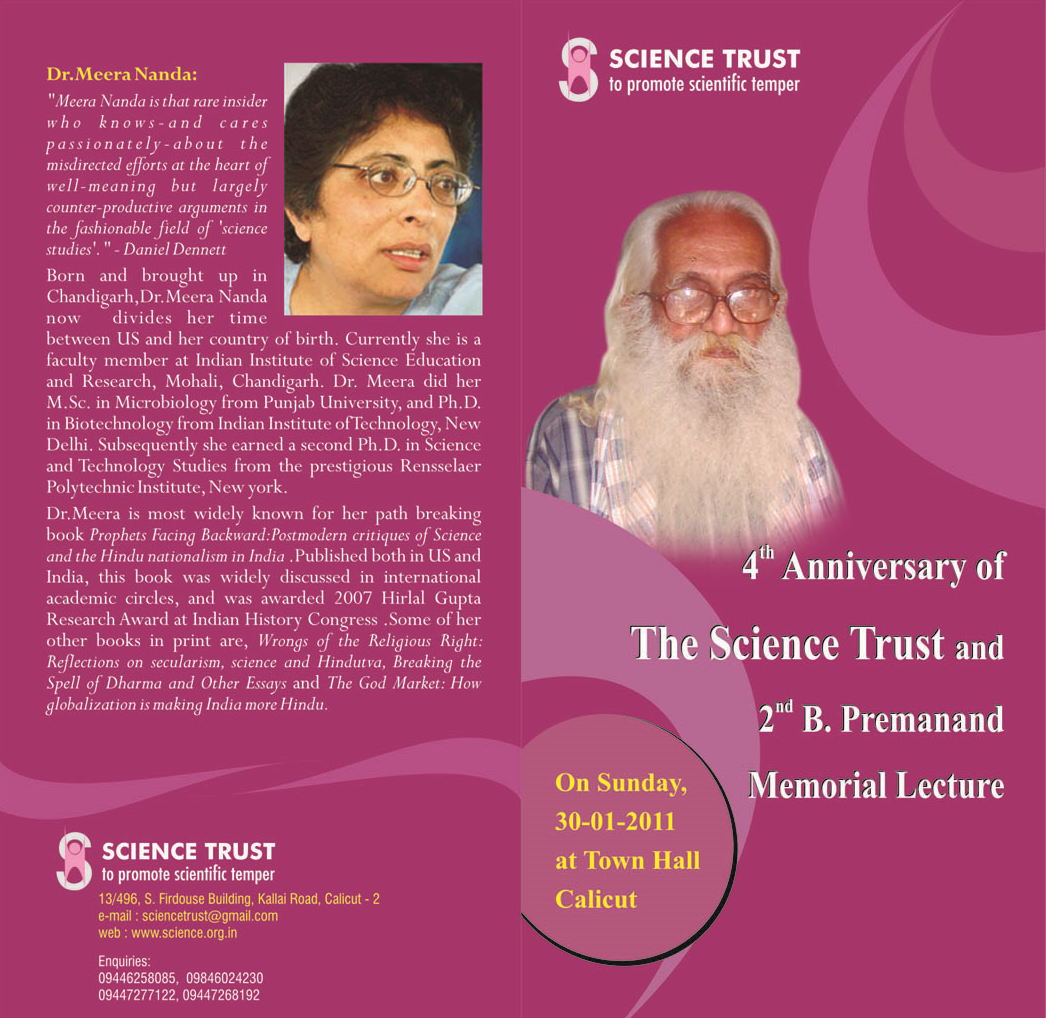
In the 2nd B. Premanand Memorial Lecture, titled “Beliefs Without Evidence: Dangers of Faith-Based Politics and Culture in India,” Dr. Meera Nanda will examine two instances in India where the “duty to believe” only on sufficient evidence has been discarded: first, the Ayodhya judgment, and second, the reliance on medical practices centered on prana, vital…
-

A Twice-Born Atheist
This autobiographical essay reflects on the author’s journey from a traditional Gowd Saraswat Brahmin upbringing to explicit atheism. It details childhood health struggles, disillusionment with unanswered prayers and oppressive caste rituals like Agelu, mandatory religious schooling, and early exposure to Hindutva ideology, ultimately charting the path toward lifelong rationalism.
-

Practicing Atheism at All Times in One’s Life
This personal essay details the Narendra Nayak’s lifelong commitment to practicing atheism despite societal, familial, and emotional pressures. It chronicles refusing religious rites during major life events—including marriage, business, and parental deaths—and rejecting post-mortem rituals, advocating instead for living by rationalist convictions and standing firm against superstitious traditions.
-
Railways and Health
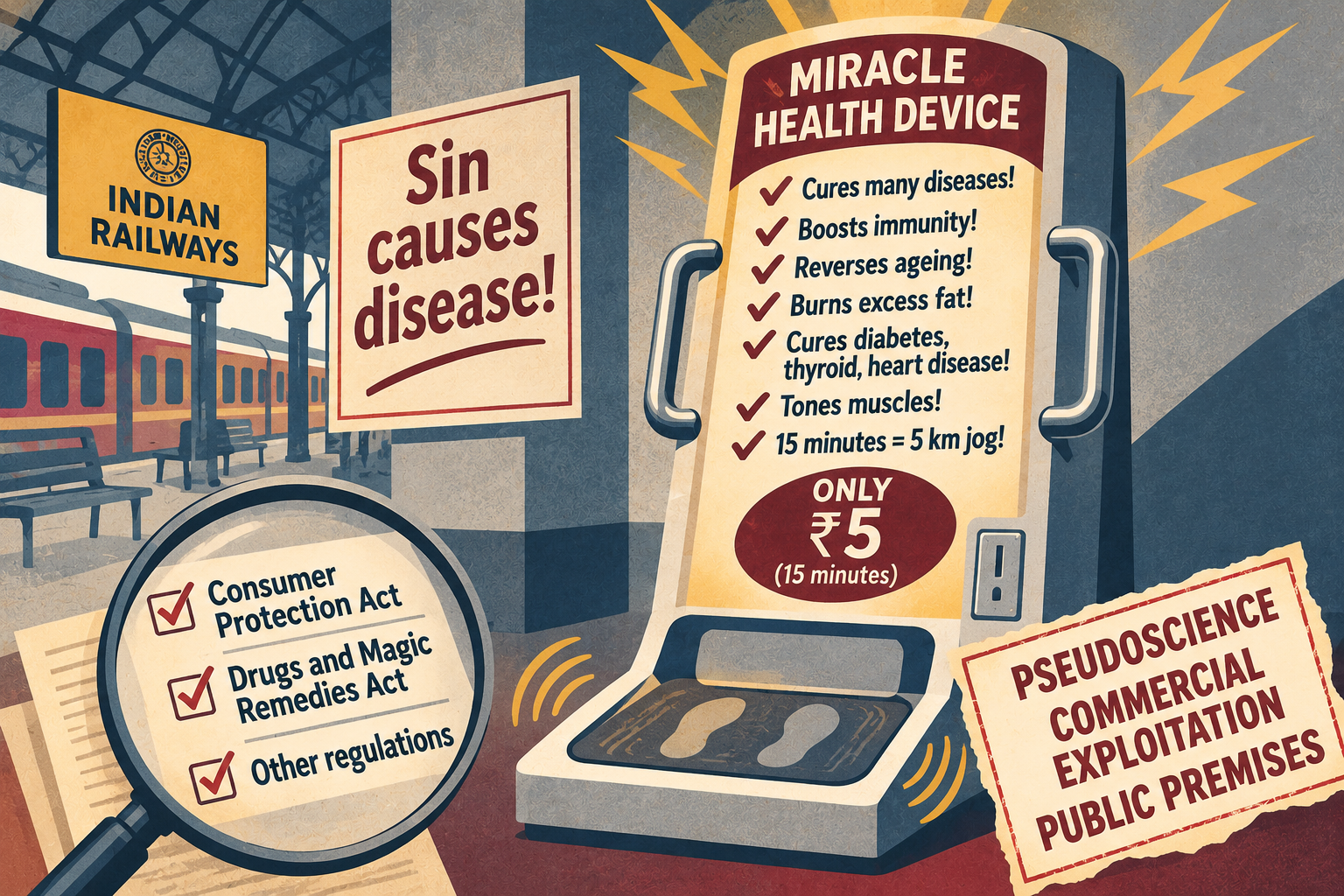
This Satirical Essay Lambasts Indian Railways For Permitting Quackery On Public Premises, Highlighting Claims That “Sin Causes Disease” And Pseudoscience Promoted By A Five-Rupee Health Gadget. The Author Demands Legal Accountability Under Consumer Protection Laws To Stop Misleading Vulnerable Passengers With Exploitative Magic Remedies.
-
Intimidation of Dissent and Rule of Superstition
This essay critiques political fundamentalism, moral policing, and superstition in civil society. It denounces attacks on free speech, the misuse of state power, and political reliance on black magic rituals. The author calls for national legislation to outlaw superstitious practices, protect democratic dissent, and safeguard secular values against intolerance
-
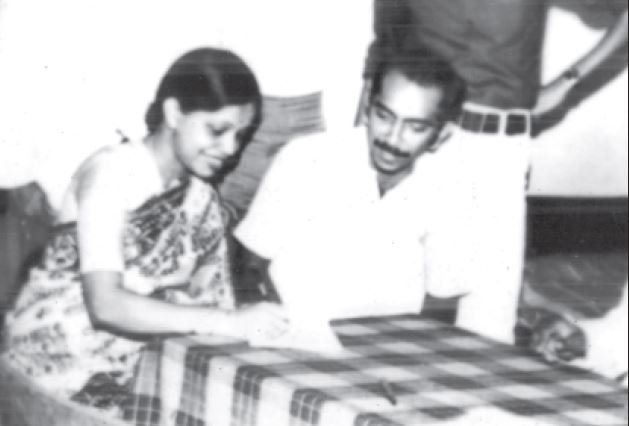
An Atheist’s Marriage
This autobiographical recount chronicles an atheist’s journey to secure a completely non-religious marriage under the Special Marriage Act. Overcoming societal skepticism, commercialized wedding norms, and priestly expectations, he stood firm in his convictions, ultimately publishing his marriage certificate to prove that a life and union can be built without superstition.
-
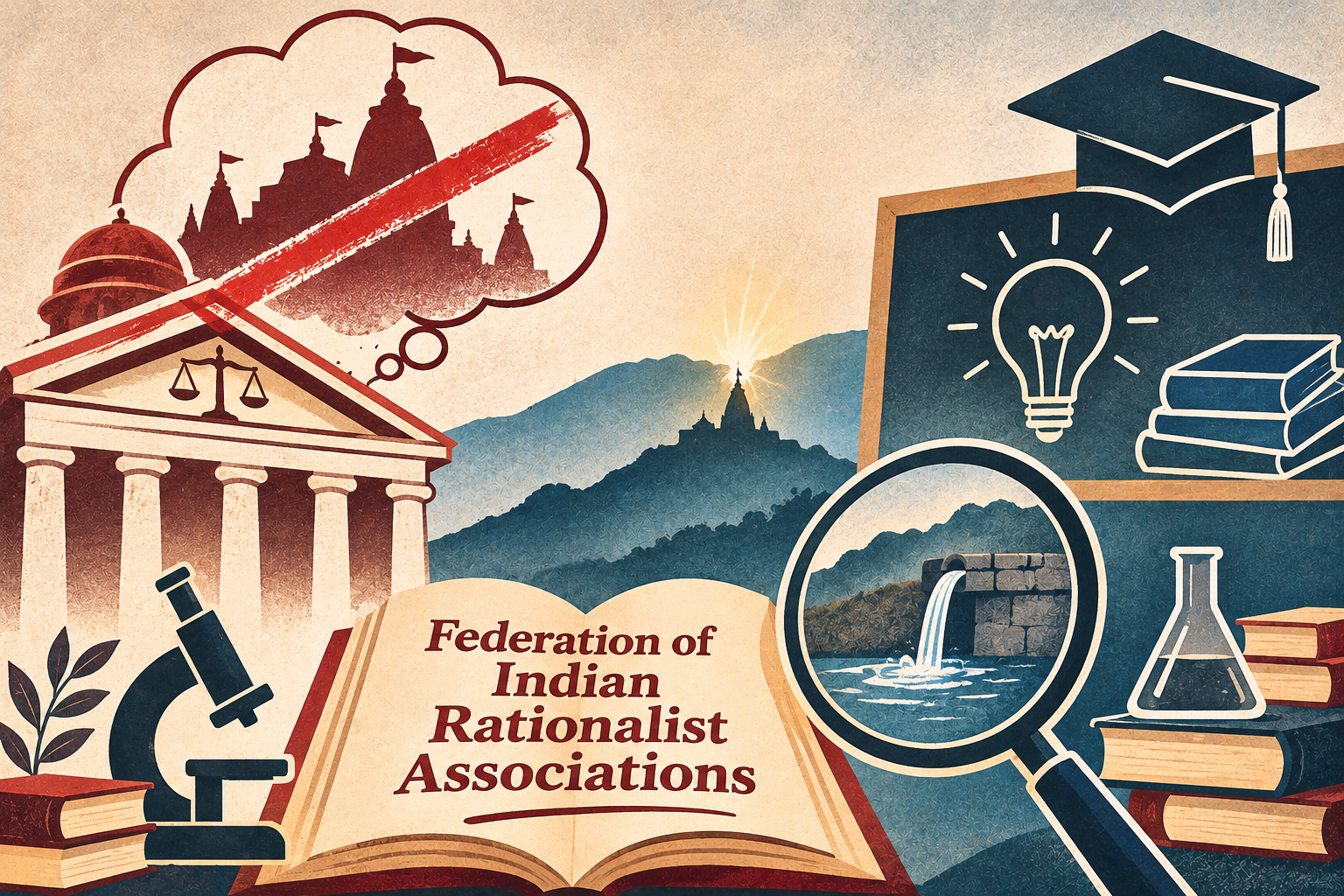
Scientific Temper Under Siege: Rationalism, the Judiciary, and Public Myths
Narendra Nayak examines the state of scientific temper in India, critiquing judicial reliance on faith in the Ayodhya title suit. It contrasts this with legal victories upholding rationalism, such as quashing FIRs against miracle busters demystifying Sabarimala’s Makara Vilakku, while highlighting ongoing outreach efforts to engage students in rationalist inquiry.
-

Swearing by God
This autobiographical narrative reflects on the author’s encounters with judicial oaths in India as a steadfast atheist. From marriage registration to court witness boxes, he persistently rejects swearing in the name of God, demanding solemn affirmations instead—highlighting the legal right of non-believers to maintain their convictions without religious compromise.
-
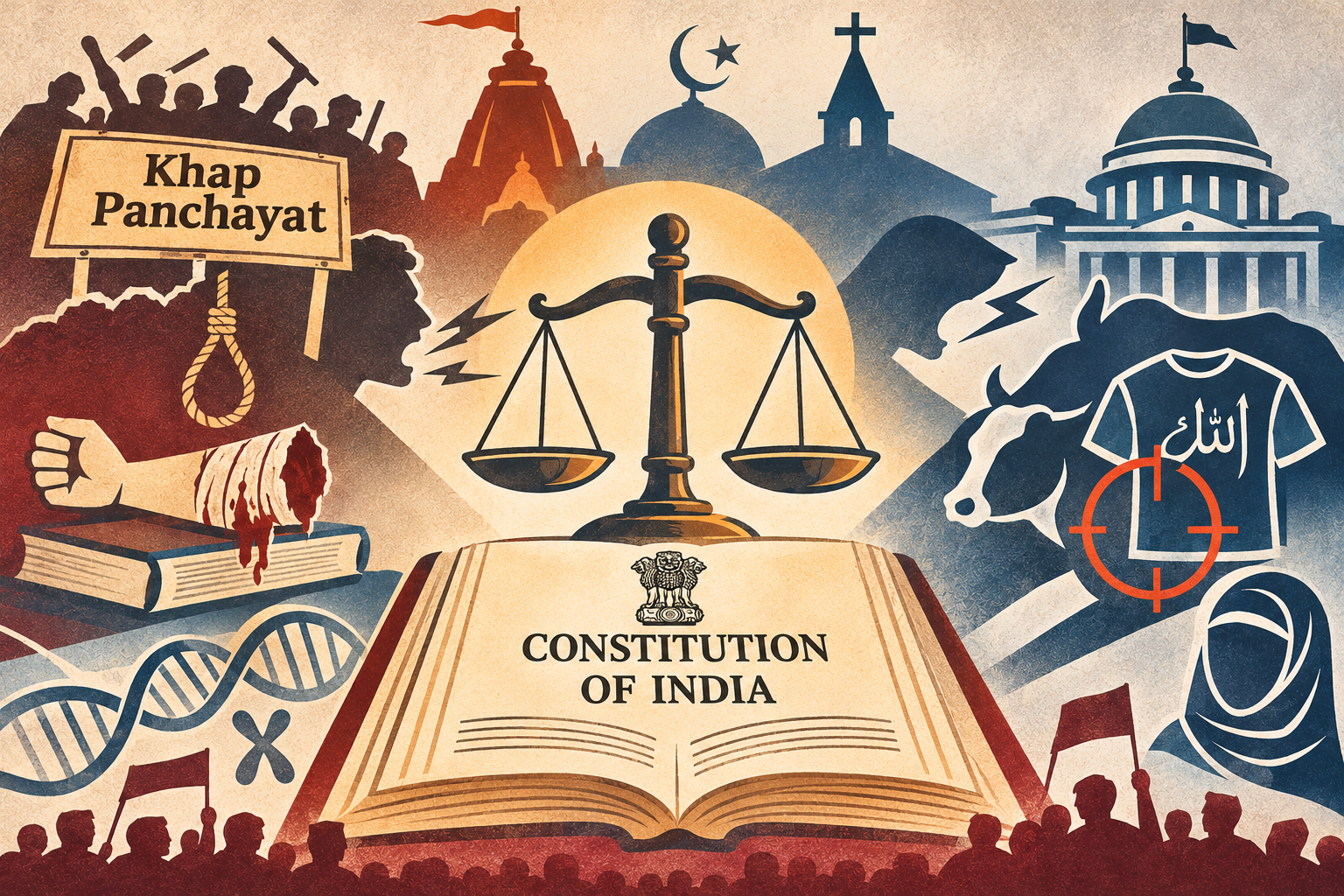
Rising Intolerance and the Rule of the Mob
Reason & Rights: Rising Intolerance and the Rule of the Mob — Charvaka.net Reason & Rights Examining Khap Panchayats, Religious Extremism, Political Hypocrisy, and the Threats to Constitutional Democracy Check the following: Khap Panchayats in North India sentence young married couples to death and execute that. In Kerala, a lecturer’s hand is chopped off for…
-

Alternative Medicine
This essay dismantles the claims of unproven alternative therapies, contrasting their reliance on pseudoscientific assumptions and commercial quackery with the self-correcting, evidence-based nature of scientific medicine. The author exposes regulatory loopholes in India, warns against dangerous diagnostic delays, and stresses that there is no true alternative to genuine health.
-
Consolidating Rationalism Across India
This message from Narendra Nayak, President of FIRA, reviews extensive rationalist training tours across India, assessing how sensation-seeking media coverage was strategically leveraged to promote scientific temper. The author outlines ongoing efforts to consolidate regional rationalist networks in Odisha, Karnataka, and Uttar Pradesh, while emphasizing the vital need to engage urban youth through platforms like…
-
Copenhagen Declaration on Religion in Public Life
This historic manifesto, adopted at the 2010 World Atheist Conference in Copenhagen, outlines fundamental principles for democratic governance. It advocates strict state neutrality, freedom of conscience, equal rights for non-believers, secular education, and the abolition of blasphemy laws and religious courts to preserve scientific inquiry and individual liberty.
-
Building the Rationalist Movement in Bihar
This report chronicles the expansion of the rationalist movement in Bihar, stemming from efforts to counter politicians honoring tantriks. Following nationwide miracle-exposure workshops and district tours with Science for Society, activists convened at Patna University to form the Bihar Rationalist Forum, establishing specialized investigative panels and electing ad hoc leadership under FIRA affiliation.
-
A Miracle Exposed: The Story of Ranjana Agarwal
This article details a live television investigation exposing a fourteen-year-old girl claiming blindfolded sight. The author demonstrates how she peeked through gaps around her nose and reveals how publicity-hungry parents, TRP-obsessed media, and uncritical officials exploited an ordinary myopic child for sensation, avoiding rigorous testing through staged emotional displays.
-
Those Who Ran Away
This article recounts various instances where self-proclaimed miracle workers, black magicians, and astrologers retreated when challenged to scientific testing. The author exposes how claimants rely on cold reading, local mob intimidation, or procedural delays to evade verification, reiterating FIRA’s standing monetary challenge to anyone who can demonstrate genuine supernatural powers.
-
An Atheist in Periyar’s Land
This personal narrative recounts extensive rationalist lecture-demonstrations and miracle-exposure workshops across Tamil Nadu. Operating in the intellectual shadow of Periyar, the author describes countering religious fraudsters, enduring fundamentalist intimidation, exposing Nadi Jyothisham, and successfully engaging college students and public audiences to foster scientific temper despite media misrepresentation and threats.